The 8-day Shira route on Mount Kilimanjaro is a scenic, high-altitude approach from the west, offering excellent acclimatization and low traffic. Starting near Shira Ridge (often via a 4WD drive to ~3,500m), this 8-day itinerary crosses the Shira Plateau, joins the Southern Circuit, and boasts high success rates due to its slow, steady, 8-day ascent.
Duration: 8 Days / 7 Nights on the mountain (plus arrival/departure days).
Distance: Approximately 56 km (35 miles) from gate to gate. It is shorter than Lemosho because the first ~14 km are covered by a 4WD vehicle.
Difficulty: High (at the start). Because the trek begins at the Shira Gate (3,414m / 11,200ft), there is a higher risk of immediate altitude sickness. However, the 8-day pace is very manageable for those who have pre-acclimatized or are physically prepared for a “jump-start” to the trek.
Scenery: Spectacular and Unique. You miss the rainforest but gain extra time in the high-altitude heath and moorland. It offers some of the most dramatic views of the Shira Cathedral, the Shira Needle, and the Southern Ice Fields.
Traffic: Low to Medium. The first two days are incredibly quiet and remote. Once the trail merges with the Machame and Lemosho routes at Shira 2 Camp, the traffic increases significantly.
Summit Success Rate: Approximately 85-90%. The 8-day version is the “gold standard” for Shira. By spending extra nights at Moir Hut or Karanga, you give your body the best possible chance to recover from the high-altitude start before the final push.
Welcome to Africa! Upon arrival at Kilimanjaro International Airport (JRO), you will be met by our team and transferred to your hotel.
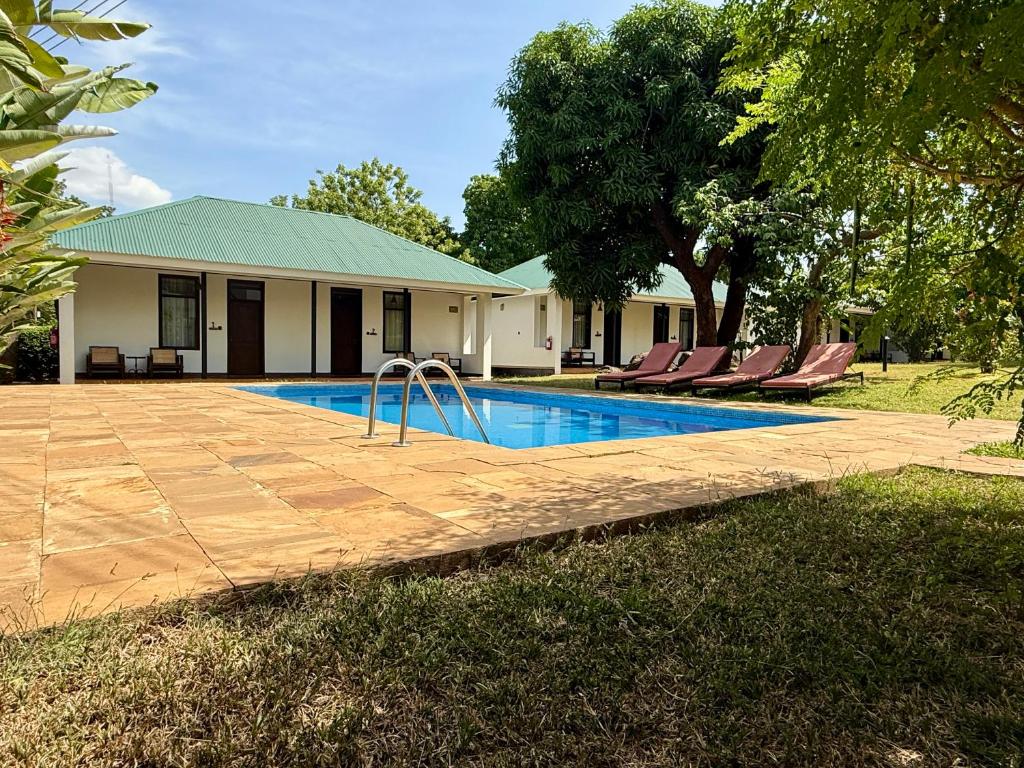
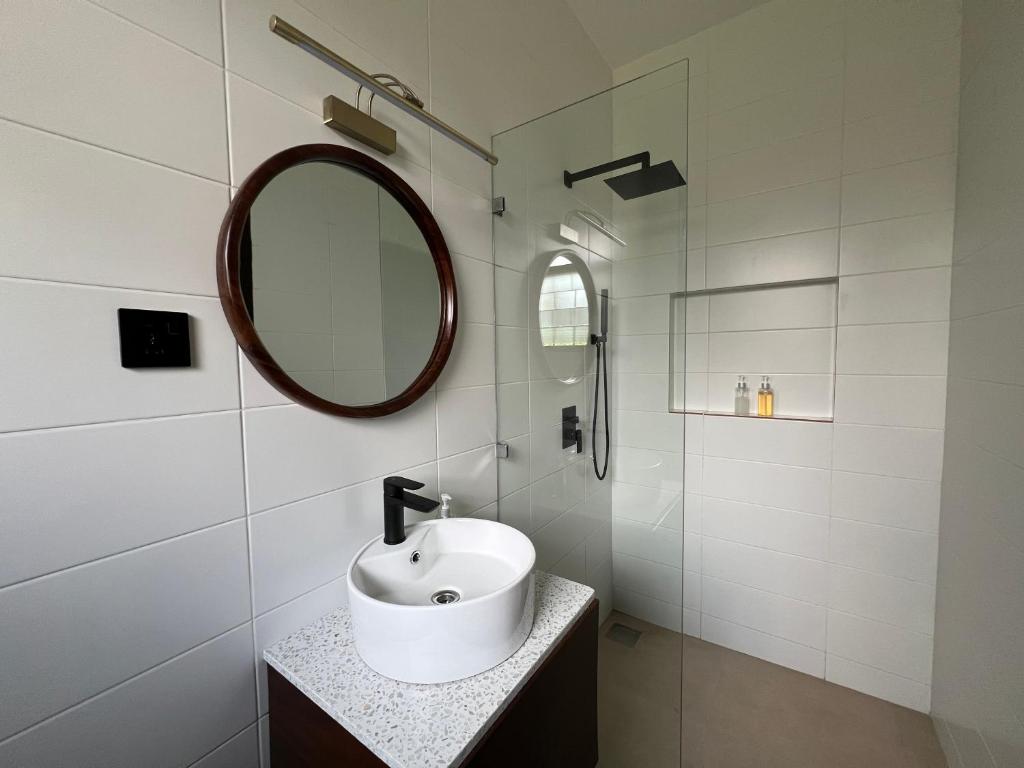
Bristol Cottages Kilimanjaro
After breakfast, we drive to the Londorossi Gate for registration before continuing to the Morrum Barrier (3,600m). The trek begins through the moorland zone, offering views of the Shira Cathedral.
1–2 hours
3,600m to 3,500m
Breakfast, Lunch, Dinner
Shira 1 Camp
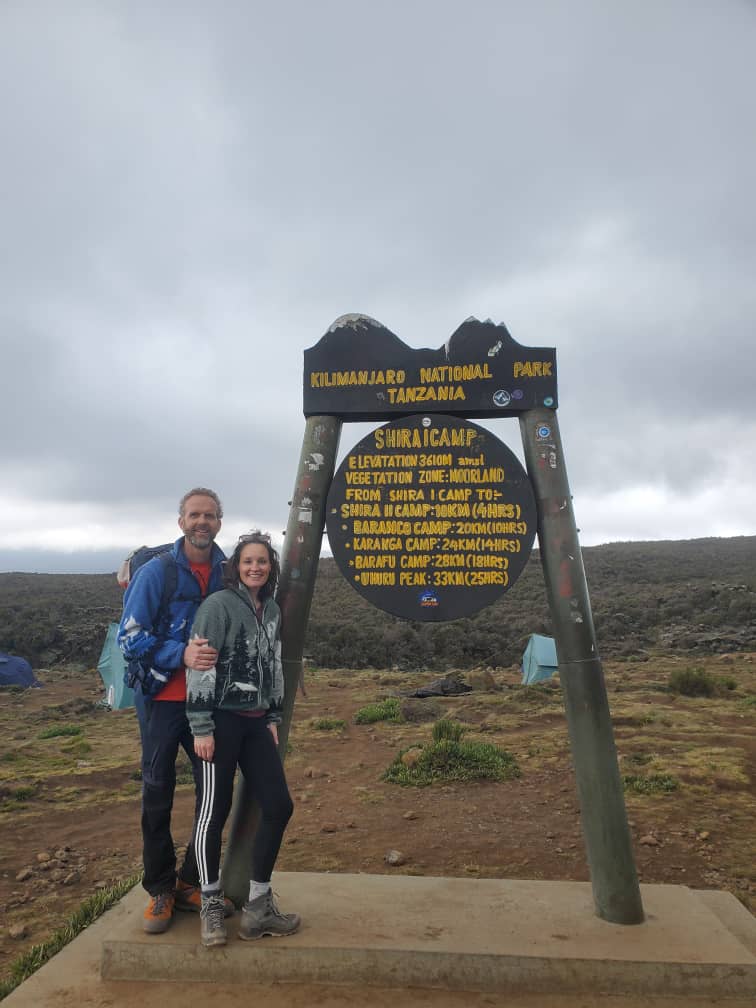
A steady climb across the Shira Plateau. This day is vital for acclimatization as you cross one of the highest plateaus on earth.
3–4 hours
3,500m to 3,850m
Breakfast, Lunch, Dinner
Shira 2 Camp
We veer off the main trail to the secluded Moir Hut. This is a quiet, less-crowded camp located at the base of the Lent Hills.
3–4 hours
3,850m to 4,200m
Breakfast, Lunch, Dinner
Moir Hut Camp
Today is the classic “Walk High, Sleep Low” day. We climb to the volcanic Lava Tower for lunch before descending into the beautiful Barranco Valley, famous for its Giant Senecio trees.
6–7 hours
4,200m to 4,600m
Alpine Desert
Breakfast, Lunch, Dinner
Barranco Camp
The day begins with the exhilarating scramble up the Barranco Wall. No technical skills are required, just steady footing! We then traverse ridges to reach Karanga Camp.
Highlight: The “Kissing Rock” on the Barranco Wall.
4–5 hours
3,950m to 4,050m
Breakfast, Lunch, Dinner
Karanga Camp
A short but steep hike to Barafu Camp, our “Base Camp.” We arrive early to eat, hydrate, and rest before the midnight summit push.
Preparation: Early dinner and summit gear check.
3–4 hours
4,050m to 4,673m
Barafu Camp
The ultimate challenge. We begin at midnight, reaching Stella Point (5,756m) by dawn, then continuing to Uhuru Peak, the roof of Africa. After celebrating, we descend to Mweka Camp.
12–15 hours
4,673m to 5,895m (Summit) to 3,100m (Mweka)
Rain Forest
Breakfast, Lunch, Dinner
Mweka Camp
A gentle descent through the lush rainforest to Mweka Gate. Here, you will receive your official gold certificates for reaching the summit.
Transfer: Drive back to your hotel for a long-awaited hot shower and celebration.
3–4 hours
3,100m to 1,640m
Dinner, Breakfast
Bristol Cottages Kilimanjaro
Relax at the hotel or explore the local market before your transfer back to Kilimanjaro International Airport for your flight home.
Price per person based on group size. All prices in USD
Price per person
PAX
1 PAX
2 PAX
3 PAX
4 PAX
5 PAX
6 PAX
Price
Price per person
PAX
1 PAX
2 PAX
3 PAX
4 PAX
5 PAX
6 PAX
Bristol Cottages Kilimanjaro is a comfortable accommodation property located in Moshi, offering travelers a convenient stay close to Mount Kilimanjaro climbing routes and safari departure points. The property provides a calm environment suitable for both short and extended stays.
The cottages are surrounded by greenery and peaceful outdoor spaces that create a relaxing atmosphere for guests preparing for adventures in northern Tanzania. Its location allows easy access to Moshi town, local attractions, and transportation services.
Accommodation includes private cottages and guest rooms equipped with modern amenities for comfort and convenience. Guests can enjoy friendly hospitality, dining services, and restful surroundings during their stay.
Shira 1 Camp is a scenic campsite located on the expansive Shira Plateau on Mount Kilimanjaro. Situated at approximately 3,500 meters (11,483 feet) above sea level, the camp is commonly used by trekkers following the Lemosho and Shira routes. It marks the transition from the rainforest and moorland zones into the open alpine environment of the mountain.
The camp sits on one of Kilimanjaro’s oldest volcanic formations, offering wide-open landscapes and spectacular panoramic views. Unlike the forested camps lower on the mountain, Shira 1 Camp features open grasslands, volcanic rock formations, and sparse vegetation adapted to the harsher mountain climate. The area provides clear views of Kibo Peak and the surrounding plains stretching toward western Tanzania.
Trekkers reaching Shira 1 Camp often notice the effects of higher altitude for the first time, making the camp an important acclimatization stop during the climb. The route leading to the camp is less steep than many other sections of the mountain, allowing climbers to gradually gain elevation while enjoying the unique scenery of the Shira Plateau.
Accommodation at Shira 1 Camp is entirely tent-based, with camping areas spread across the plateau. Facilities are basic and include toilets and ranger stations. Nights at the camp are usually colder and windier than those at lower camps due to the open landscape and higher elevation. However, the clear skies often provide excellent opportunities for stargazing and photography.
Shira 2 Camp is a high-altitude campsite located on the expansive Shira Plateau on Mount Kilimanjaro at approximately 3,850 meters (12,631 feet) above sea level. The camp is commonly used by climbers on the Lemosho, Shira, and Northern Circuit routes and serves as an important acclimatization stop before trekking toward Lava Tower and the southern circuit of the mountain.
The landscape around Shira 2 Camp is dramatically different from the rainforest and moorland zones lower on the mountain. The area is dominated by open alpine desert terrain, volcanic rock formations, and sparse high-altitude vegetation. The camp offers breathtaking panoramic views of Kibo Peak, Mount Meru, and the vast Shira Plateau stretching across Kilimanjaro’s western slopes.
Trekkers reaching Shira 2 Camp often begin to feel the effects of altitude more noticeably due to the thinner air. For this reason, the camp plays a major role in helping climbers acclimatize gradually before moving to higher elevations. The hiking trails leading to the camp are generally gentle, allowing climbers to enjoy the scenery while steadily gaining altitude.
Accommodation at Shira 2 Camp is entirely tent-based, with designated camping areas spread across the rocky plateau. Nights are cold and temperatures can drop below freezing, especially during clear weather conditions. Despite the harsh environment, the camp remains one of the most scenic overnight stops on Kilimanjaro.
Moir Camp is a remote and scenic campsite located on the northern slopes of Mount Kilimanjaro at approximately 4,200 meters (13,780 feet) above sea level. The camp is mainly used by trekkers on the Lemosho and Northern Circuit routes after leaving the Shira Plateau area.
The camp sits in a quiet valley beneath the Lent Hills, surrounded by rugged volcanic landscapes and sparse alpine vegetation. Moir Camp is well known for its peaceful atmosphere and dramatic scenery, making it one of the most memorable camps on Kilimanjaro for many climbers. The nearby Lent Hills also provide optional acclimatization hikes that help trekkers adjust to the altitude.
The environment around Moir Camp is colder and drier than the lower camps, with clear skies often revealing spectacular views of Kibo Peak and the northern mountain slopes. Because fewer climbers pass through this area, the camp offers a more isolated and tranquil trekking experience.
Accommodation at Moir Camp consists of mountain tents arranged on rocky terrain. Temperatures can drop significantly during the night, but the calm surroundings and impressive scenery make the camp a favorite stop for photographers and nature lovers.
Barranco Camp is one of the most scenic and memorable camps on Mount Kilimanjaro, located at an altitude of approximately 3,960 meters (13,000 feet). Positioned on the southern slopes of the mountain, the camp is commonly used by climbers trekking through the Machame, Lemosho, Shira, and Umbwe routes. Surrounded by towering volcanic landscapes and unique alpine vegetation, Barranco Camp offers trekkers a beautiful resting point before continuing toward the summit.
The camp lies within the dramatic Barranco Valley, beneath the famous Barranco Wall and with excellent views of Kibo Peak. The surrounding environment is characterized by giant groundsels, everlasting flowers, and rugged mountain terrain that creates one of the most photographed locations on Kilimanjaro. Due to its position between the moorland and alpine desert zones, the scenery changes dramatically compared to lower camps, giving climbers a true sense of the mountain’s diverse ecosystems.
Barranco Camp is also an important acclimatization stop during the climb. Many itineraries reach the camp after ascending to higher elevations such as Lava Tower before descending again to sleep at Barranco. This “climb high, sleep low” approach helps the body gradually adapt to altitude and increases the chances of a successful summit attempt. Trekkers often spend the afternoon resting, enjoying mountain views, and preparing for the next day’s hike.
Accommodation at Barranco Camp is entirely tent-based, with climbers sleeping in mountain tents provided by their trekking operators. The camp includes basic facilities such as ranger stations and simple toilets, while meals are usually prepared by the mountain crew. Even with its remote setting, Barranco Camp remains one of the liveliest and most social camps on Kilimanjaro because several routes meet there before continuing toward the summit.
Karanga Camp is a scenic campsite on Mount Kilimanjaro located at approximately 3,995 meters (13,106 feet) above sea level. The camp is commonly used by climbers on the Machame, Lemosho, and Umbwe routes as they continue toward Barafu Camp and the summit.
The camp sits in a valley surrounded by rocky ridges, alpine vegetation, and dramatic mountain scenery. Trekkers reaching Karanga Camp often descend from Barranco Camp after climbing the famous Barranco Wall. The camp provides an important acclimatization stop before ascending to higher elevations.
Accommodation at Karanga Camp consists of mountain tents arranged across rocky camping grounds. The area offers clear views of glaciers, valleys, and surrounding peaks, especially during sunrise and sunset.
Barafu Camp is one of the main summit camps on Mount Kilimanjaro, located at approximately 4,673 meters (15,331 feet) above sea level. The camp is used by climbers on the Machame, Lemosho, Umbwe, and Southern Circuit routes before their final ascent to Uhuru Peak.
The camp is situated in a harsh alpine desert environment with rocky terrain, steep slopes, and strong winds. The name “Barafu” means “ice” in Swahili, reflecting the cold conditions experienced at this altitude. Climbers usually arrive in the afternoon, rest briefly, and begin their summit attempt around midnight.
Accommodation at Barafu Camp consists of mountain tents placed on rocky ground. Despite the challenging environment, the camp provides spectacular views of glaciers, surrounding peaks, and dramatic mountain landscapes.
Mweka Camp is a forest campsite located on the lower slopes of Mount Kilimanjaro at approximately 3,100 meters (10,170 feet) above sea level. It is commonly used as the final overnight stop for climbers descending the mountain after successful summit attempts.
The camp is situated within the rainforest zone, surrounded by dense vegetation, giant trees, and rich mountain forest scenery. After the cold alpine conditions higher on the mountain, many climbers enjoy the warmer temperatures and oxygen-rich environment found at Mweka Camp.
Accommodation at Mweka Camp is tent-based, with designated camping areas and basic mountain facilities. The camp provides a comfortable resting point before the final descent to Mweka Gate.
Bristol Cottages Kilimanjaro is a comfortable accommodation property located in Moshi, offering travelers a convenient stay close to Mount Kilimanjaro climbing routes and safari departure points. The property provides a calm environment suitable for both short and extended stays.
The cottages are surrounded by greenery and peaceful outdoor spaces that create a relaxing atmosphere for guests preparing for adventures in northern Tanzania. Its location allows easy access to Moshi town, local attractions, and transportation services.
Accommodation includes private cottages and guest rooms equipped with modern amenities for comfort and convenience. Guests can enjoy friendly hospitality, dining services, and restful surroundings during their stay.
There are no results matching your search
Everything you need to know about what makes this route special
Highly scenic, superior acclimatization, less crowded than Machame or Marangu.
Higher starting altitude can lead to early altitude issues if not properly acclimatized.
Transitions from rainforest to heather/moorland, alpine desert, and arctic zone.
The 8-day Lemosho route is almost identical, just starting at a slightly lower elevation.
Choose the best season for your Mount Kilimanjaro Climbing adventure
Clear & Warm
21–27°C base / -7 to -29°C summit
High
Premium
The warmest months on the mountain, with excellent visibility. Expect generally clear skies in the mornings and evenings; clouds may appear during the day with occasional brief showers.
Clear & Cold
15–20°C base / -10 to -20°C summit
Very High
Premium
The probability of rain is minimal, skies are mostly clear, and the visibility is unparalleled. July and August are the busiest months on the mountain, with crowds thinning in September and even more so in October.
Variable — occasional showers
18–25°C base / -10 to -20°C summit
Low to Moderate
Standard
Early October is still stable, but by November, less stable weather patterns can bring rain every day for a short period. March begins with a short dry window, but by mid-March the long rains begin.
The route is classified as Moderate.
For the 8-day variation, the success rate is approximately 85%–90%.
The extra day (compared to the 6 or 7-day versions) is usually spent at Moir Hut or Karanga Camp, which allows your body to produce more red blood cells before the final push.
These two are siblings, but with a few key differences:
Real experiences from real adventures who’ve explored Tanzania with us


 Verified
 Verified
 Verified
 Verified
 Verified
 Verified
 Verified
 Verified
 Verified
 Verified
Let our travel specialists create a personalized itinerary just for you
There are no results matching your search