The 6-day Umbwe Route is the most direct and physically demanding path to Kilimanjaro’s Uhuru Peak, favored by experienced, fit hikers seeking a rapid, steep ascent with low traffic. It offers a challenging, direct, and scenic climb, transitioning through rainforest, moorland, and alpine desert, often boasting a 70-75% success rate.
Duration: 6 Days / 5 Nights on the mountain (plus arrival/departure days).
Distance: Approximately 53 km (33 miles) from gate to gate.
Difficulty: High to Very High. This is the most taxing route on the mountain. The initial days involve steep, technical climbs through dense forest and ridge lines with very little “flat” walking.
Scenery: Spectacular but Dramatic. Offers unique, “aerial-style” views of the mountain due to the steep ascent. You’ll experience the “Breach Wall” up close and pass through some of the most rugged, vertical landscapes on Kilimanjaro.
Traffic: Very Low. Because of its reputation for difficulty, Umbwe is the quietest route. It offers a sense of solitude and wilderness that you won’t find on Machame or Marangu.
Summit Success Rate: Approximately 60-70%. The success rate is lower than the Lemosho route because the “climb high, sleep low” principle is harder to achieve with such a direct vertical ascent, increasing the risk of altitude-related symptoms.
Welcome to the gateway of Kilimanjaro. Upon arrival at Kilimanjaro International Airport (JIA), you will be met by our team and transferred to Moshi.
Dinner
Bristol Cottages Kilimanjaro
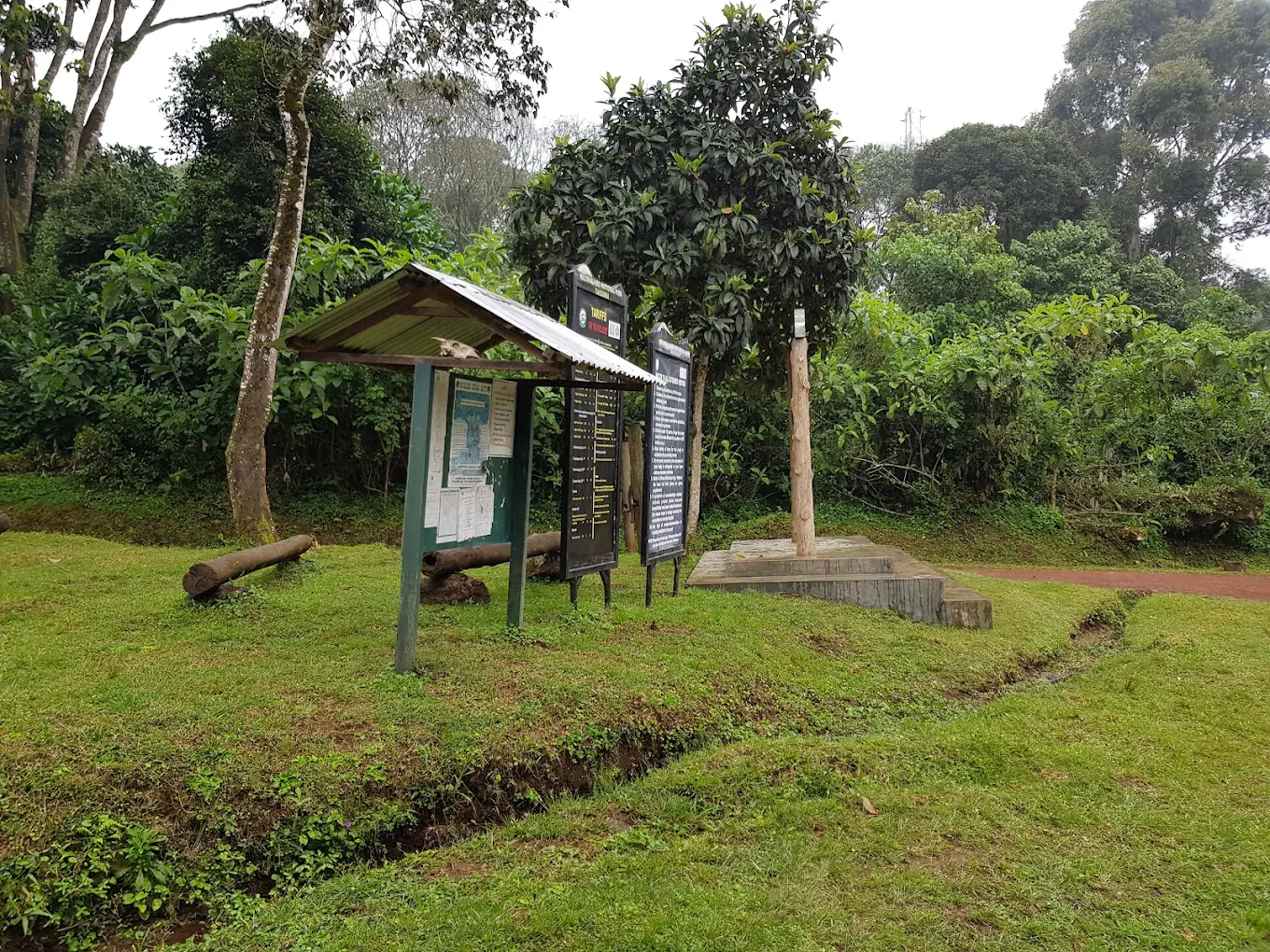
The journey begins at the Umbwe Gate. You’ll trek through the lush, emerald montane rainforest. Be prepared for steep, slippery paths under a dense canopy.
5–7 hours
1,300m
Rain Forest
Breakfast, Lunch, Dinner
Umbwe Cave Camp
As the forest thins into heath and moorland, the trail becomes significantly steeper. You will navigate the famous “Rope Rock” section. The reward is a breathtaking view of the Southern Icefields and the Great Barranco Wall.
4–6 hours
1,050m (From 2,900m to 3,950m)
Moorland
Breakfast, Lunch, Dinner
Barranco Camp
This is a vital day for acclimatization. You will conquer the Great Barranco Wall—a non-technical but exhilarating scramble—then traverse a series of hills and valleys before descending into the green Karanga Valley.
4–5 hours
Fluctuates between 3,950m and 4,200m
Alpine Desert
Breakfast, Lunch, Dinner
Karanga Camp
The trail joins the Mweka Route, heading uphill through a rocky, desolate landscape. You are now in the Alpine Desert. We arrive at Barafu Camp early to eat, hydrate, and rest before the midnight summit push.
3–4 hours
650m (From 3,950m to 4,600m)
Alpine Desert
Breakfast, Lunch, Dinner
Barafu Camp
The ultimate challenge begins at midnight. You will reach Stella Point (5,739m) by dawn and continue to Uhuru Peak, the highest point in Africa. After celebrating, you begin the long descent to Mweka Camp.
10–14 hours
1,295m (to 5,895m)
Ice-Capped Summit
Breakfast, Lunch, Dinner
Mweka Camp
A final, gentle descent through the rainforest brings you back to the park gates. After a farewell lunch with your crew, you will receive your Gold Summit Certificates and be transferred back to Moshi.
3 – 4 hours
1,500m (From 3,100m to 1,600m)
Breakfast, Dinner
Bristol Cottages Kilimanjaro
After breakfast, you will be transferred back to Kilimanjaro International Airport for your flight home or your onward safari adventure.
Price per person based on group size. All prices in USD
Price per person
PAX
1 PAX
2 PAX
3 PAX
4 PAX
5 PAX
6 PAX
Price
Price per person
PAX
1 PAX
2 PAX
3 PAX
4 PAX
5 PAX
6 PAX
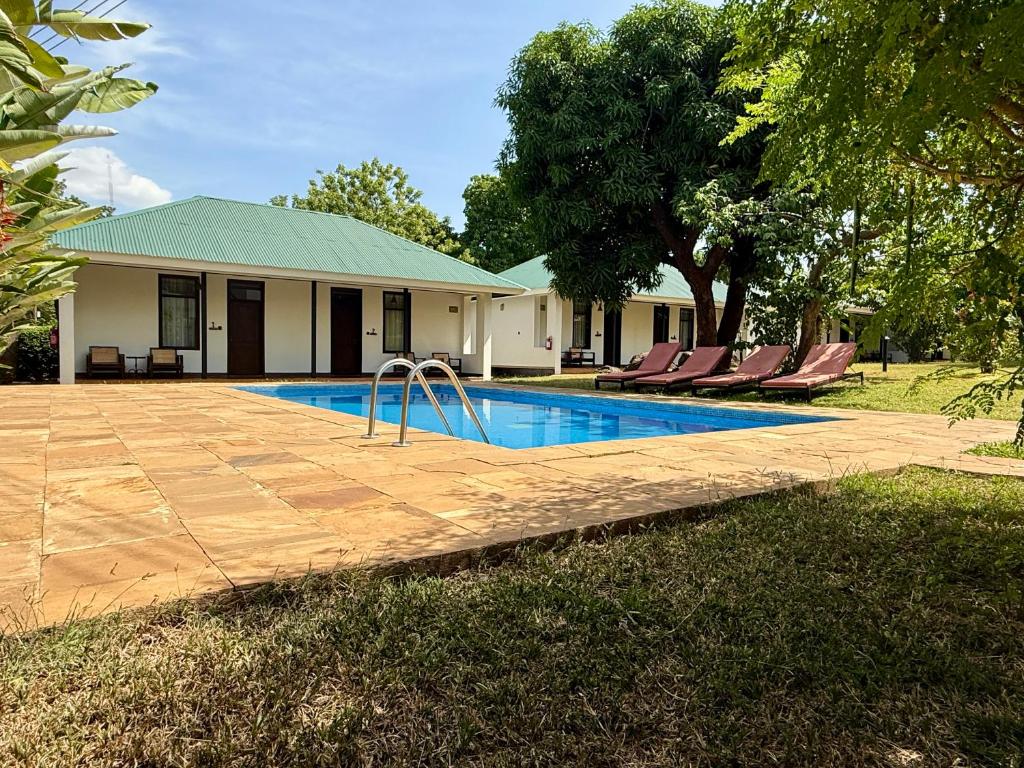
Bristol Cottages Kilimanjaro is a comfortable accommodation property located in Moshi, offering travelers a convenient stay close to Mount Kilimanjaro climbing routes and safari departure points. The property provides a calm environment suitable for both short and extended stays.
The cottages are surrounded by greenery and peaceful outdoor spaces that create a relaxing atmosphere for guests preparing for adventures in northern Tanzania. Its location allows easy access to Moshi town, local attractions, and transportation services.
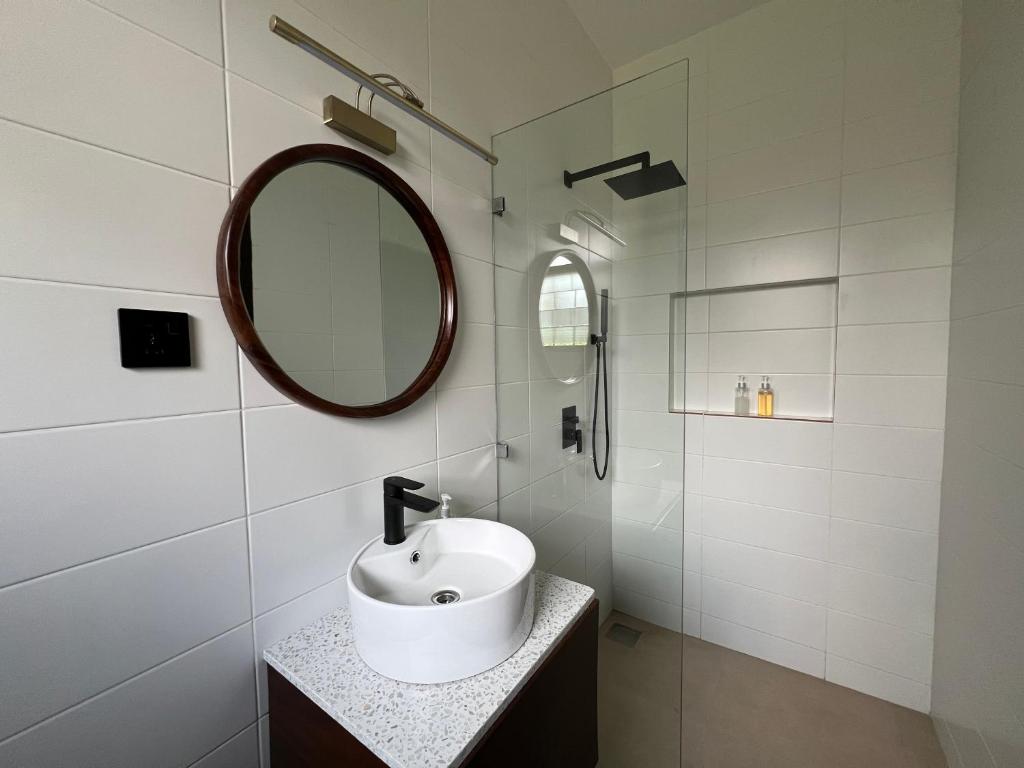
Accommodation includes private cottages and guest rooms equipped with modern amenities for comfort and convenience. Guests can enjoy friendly hospitality, dining services, and restful surroundings during their stay.
Barranco Camp is one of the most scenic and memorable camps on Mount Kilimanjaro, located at an altitude of approximately 3,960 meters (13,000 feet). Positioned on the southern slopes of the mountain, the camp is commonly used by climbers trekking through the Machame, Lemosho, Shira, and Umbwe routes. Surrounded by towering volcanic landscapes and unique alpine vegetation, Barranco Camp offers trekkers a beautiful resting point before continuing toward the summit.
The camp lies within the dramatic Barranco Valley, beneath the famous Barranco Wall and with excellent views of Kibo Peak. The surrounding environment is characterized by giant groundsels, everlasting flowers, and rugged mountain terrain that creates one of the most photographed locations on Kilimanjaro. Due to its position between the moorland and alpine desert zones, the scenery changes dramatically compared to lower camps, giving climbers a true sense of the mountain’s diverse ecosystems.
Barranco Camp is also an important acclimatization stop during the climb. Many itineraries reach the camp after ascending to higher elevations such as Lava Tower before descending again to sleep at Barranco. This “climb high, sleep low” approach helps the body gradually adapt to altitude and increases the chances of a successful summit attempt. Trekkers often spend the afternoon resting, enjoying mountain views, and preparing for the next day’s hike.
Accommodation at Barranco Camp is entirely tent-based, with climbers sleeping in mountain tents provided by their trekking operators. The camp includes basic facilities such as ranger stations and simple toilets, while meals are usually prepared by the mountain crew. Even with its remote setting, Barranco Camp remains one of the liveliest and most social camps on Kilimanjaro because several routes meet there before continuing toward the summit.
Karanga Camp is a scenic campsite on Mount Kilimanjaro located at approximately 3,995 meters (13,106 feet) above sea level. The camp is commonly used by climbers on the Machame, Lemosho, and Umbwe routes as they continue toward Barafu Camp and the summit.
The camp sits in a valley surrounded by rocky ridges, alpine vegetation, and dramatic mountain scenery. Trekkers reaching Karanga Camp often descend from Barranco Camp after climbing the famous Barranco Wall. The camp provides an important acclimatization stop before ascending to higher elevations.
Accommodation at Karanga Camp consists of mountain tents arranged across rocky camping grounds. The area offers clear views of glaciers, valleys, and surrounding peaks, especially during sunrise and sunset.
Barafu Camp is one of the main summit camps on Mount Kilimanjaro, located at approximately 4,673 meters (15,331 feet) above sea level. The camp is used by climbers on the Machame, Lemosho, Umbwe, and Southern Circuit routes before their final ascent to Uhuru Peak.
The camp is situated in a harsh alpine desert environment with rocky terrain, steep slopes, and strong winds. The name “Barafu” means “ice” in Swahili, reflecting the cold conditions experienced at this altitude. Climbers usually arrive in the afternoon, rest briefly, and begin their summit attempt around midnight.
Accommodation at Barafu Camp consists of mountain tents placed on rocky ground. Despite the challenging environment, the camp provides spectacular views of glaciers, surrounding peaks, and dramatic mountain landscapes.
Mweka Camp is a forest campsite located on the lower slopes of Mount Kilimanjaro at approximately 3,100 meters (10,170 feet) above sea level. It is commonly used as the final overnight stop for climbers descending the mountain after successful summit attempts.
The camp is situated within the rainforest zone, surrounded by dense vegetation, giant trees, and rich mountain forest scenery. After the cold alpine conditions higher on the mountain, many climbers enjoy the warmer temperatures and oxygen-rich environment found at Mweka Camp.
Accommodation at Mweka Camp is tent-based, with designated camping areas and basic mountain facilities. The camp provides a comfortable resting point before the final descent to Mweka Gate.
Bristol Cottages Kilimanjaro is a comfortable accommodation property located in Moshi, offering travelers a convenient stay close to Mount Kilimanjaro climbing routes and safari departure points. The property provides a calm environment suitable for both short and extended stays.
The cottages are surrounded by greenery and peaceful outdoor spaces that create a relaxing atmosphere for guests preparing for adventures in northern Tanzania. Its location allows easy access to Moshi town, local attractions, and transportation services.
Accommodation includes private cottages and guest rooms equipped with modern amenities for comfort and convenience. Guests can enjoy friendly hospitality, dining services, and restful surroundings during their stay.
There are no results matching your search
Everything you need to know about what makes this route special
The 6-day Umbwe route is a rapid ascent with limited time for the body to adjust. It is significantly more demanding than the Lemosho route, making it suitable only for those who acclimatize quickly or have recently spent time at high altitudes.
Known for its dramatic and "true" mountain feel, this route begins in dense rainforest before narrowing into the famous Umbwe Ridge—a steep, knife-edge path with plummeting drops on both sides. It offers some of the most breathtaking views of the Southern Icefields.
This is not a beginner’s trek. A very high level of physical fitness and mental stamina is required. You should be comfortable with steep, sustained inclines and have prior experience with multi-day trekking in strenuous conditions.
Standard Kilimanjaro gear is required (waterproof layers, thermal base layers, and sturdy boots), but sturdy trekking poles are non-negotiable on Umbwe to protect your knees during the relentless descent and provide stability on the steep ridges.
Given the difficulty of this route, your guides’ expertise in monitoring for Altitude Sickness (AMS) is critical. A dedicated team of porters handles all logistics, allowing you to focus entirely on the physical demands of the climb.
Consult your doctor regarding Diamox (Acetazolamide) and high-altitude health. Because the ascent profile is so aggressive, being in peak health before you hit the trailhead is vital for a successful summit.
The physical exertion of the Umbwe route burns calories rapidly. Your crew will provide high-energy, nutrient-dense meals. Staying hydrated is paramount to help mitigate the risks of the fast elevation gain.
Ensure your policy specifically covers high-altitude trekking up to 6,000 meters. Many standard policies cap at 3,000 meters, which is insufficient for the 5,895-meter (19,341 ft) summit of Uhuru Peak.
Choose the best season for your Mount Kilimanjaro Climbing adventure
Clear & Warm
21–27°C base / -7 to -29°C summit
High
Premium
The warmest months on the mountain, with excellent visibility. Expect generally clear skies in the mornings and evenings; clouds may appear during the day with occasional brief showers.
Clear & Cold
15–20°C base / -10 to -20°C summit
Very High
Premium
The probability of rain is minimal, skies are mostly clear, and the visibility is unparalleled. July and August are the busiest months on the mountain, with crowds thinning in September and even more so in October.
Variable — occasional showers
18–25°C base / -10 to -20°C summit
Low to Moderate
Standard
Early October is still stable, but by November, less stable weather patterns can bring rain every day for a short period. March begins with a short dry window, but by mid-March the long rains begin.
Eat even if you aren't hungry: High altitude suppresses appetite, but you’ll be burning 4,000+ calories on summit day. Force down the porridge!
Pole Pole (Slowly, Slowly): Even though it’s a short route, do not race. Forcing your pace on the first two days is the fastest way to get altitude sickness by Day 3.
Hydrate like it’s your job: Aim for 3–4 liters of water a day to help your blood process oxygen.
Consider a 7-day option: If you aren’t an elite athlete, adding one “acclimatization day” at Barranco Camp increases your success rate significantly.
No. Most experts and guides strongly advise against this route for first-time trekkers. Because it ascends so quickly, there is very little time for your body to acclimatize. It is best suited for:
The success rate for the 6-day Umbwe Route is roughly 60% to 70%.
The main reason for “failure” isn’t physical fatigue, but Acute Mountain Sickness (AMS). Longer routes like Lemosho or Machame have higher success rates (90%+) because they follow the “climb high, sleep low” principle more effectively.
To give yourself the best chance on such a steep trail, go during the dry seasons:
Beyond the standard Kilimanjaro kit, prioritize:
Real experiences from real adventures who’ve explored Tanzania with us


 Verified
 Verified
 Verified
 Verified
 Verified
 Verified
 Verified
 Verified
 Verified
 Verified
Let our travel specialists create a personalized itinerary just for you
There are no results matching your search