A 2-day camping safari in Tanzania typically focuses on the Northern Circuit, specifically Tarangire National Park and the Ngorongoro Crater. This itinerary is highly recommended as it balances world-class wildlife sightings with manageable travel distances from Arusha or Moshi.
Duration: 2 Days / 1 Night
Start/End: Arusha
Target Wildlife: The Big Five (including the rare Black Rhino), massive elephant herds, and the famous tree-climbing lions.
Transport: 4×4 Custom Safari Land Cruiser with pop-up roof.
Activity: Morning drive from Arusha (approx. 2–3 hours) followed by a full-day game drive.
Highlights: Massive elephant herds (up to 300), ancient baobab trees, and sightings of lions, giraffes, and diverse birdlife.
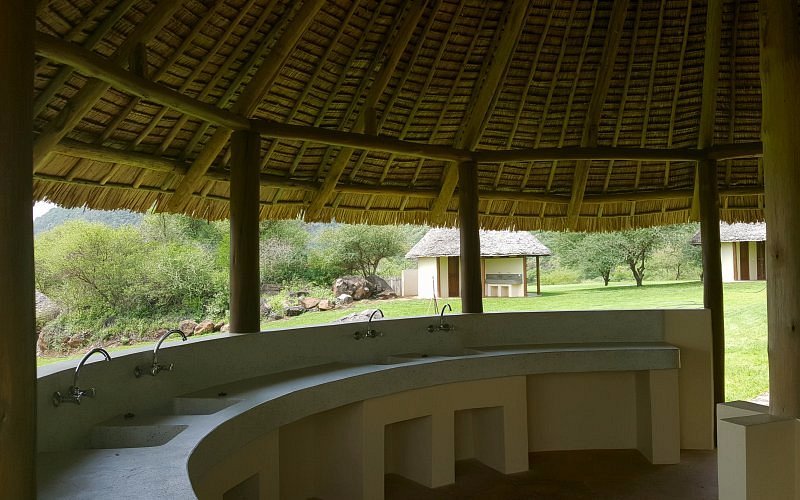
Camping: Overnight at public campsites like Migombani (near Lake Manyara) or Kizumba. These sites often feature shared bathroom facilities and views of the Great Rift Valley.
Dinner
Migombani Camp
Activity: Early morning descent (600m) into the Ngorongoro Crater floor for a half or full-day game drive.
Highlights: High density of wildlife including the “Big Five” (lion, leopard, elephant, buffalo, and the rare black rhino).
Return: Late afternoon ascent and drive back to Arusha for drop-off.
Price per person based on group size. All prices in USD
Price per person
PAX
1 PAX
2 PAX
3 PAX
4 PAX
5 PAX
6 PAX
Price
Price per person
PAX
1 PAX
2 PAX
3 PAX
4 PAX
5 PAX
6 PAX
There are no results matching your search
Choose the best season for your Mount Kilimanjaro Climbing adventure
Clear & Warm
21–27°C base / -7 to -29°C summit
High
Premium
The warmest months on the mountain, with excellent visibility. Expect generally clear skies in the mornings and evenings; clouds may appear during the day with occasional brief showers.
Clear & Cold
15–20°C base / -10 to -20°C summit
Very High
Premium
The probability of rain is minimal, skies are mostly clear, and the visibility is unparalleled. July and August are the busiest months on the mountain, with crowds thinning in September and even more so in October.
Variable — occasional showers
18–25°C base / -10 to -20°C summit
Low to Moderate
Standard
Early October is still stable, but by November, less stable weather patterns can bring rain every day for a short period. March begins with a short dry window, but by mid-March the long rains begin.
Bring USD cash printed after 2006. Many places in Tanzania (including for visas and tips) will not accept older bills due to past counterfeiting issues.
What to Pack
Clothing: Lightweight, breathable layers in neutral colors (khaki, olive, beige); warm fleece for chilly mornings at the crater rim.
Gear: Binoculars, camera with zoom lens, power bank, and a headlamp or flashlight.
Personal Items: Sunscreen (SPF 30+), insect repellent (DEET), and a reusable water bottle.
Most 2-day itineraries start from Arusha and cover:
It is very likely! The Ngorongoro Crater is one of the densest wildlife areas in Africa. While leopards can be elusive, lions, elephants, buffaloes, and rhinos are frequently spotted.
On a “Budget Camping” safari, you stay in public campsites (like Simba Campsite on the crater rim).
You will travel with a professional safari cook who handles all meals. They prepare breakfast, packed lunches for the game drives, and hot dinners at the campsite.
Pack light in a soft duffel bag (easier to fit in the 4×4). Key essentials include:
Tipping is a standard practice in the Tanzanian safari industry. While it’s at your discretion, the general guideline is:
Prices vary based on group size, but typically range from $450 to $900 per person. “Group-joining” safaris are the most affordable way to go if you are a solo traveler or a couple.
Real experiences from real adventures who’ve explored Tanzania with us


 Verified
 Verified
 Verified
 Verified
 Verified
 Verified
 Verified
 Verified
 Verified
 Verified
Let our travel specialists create a personalized itinerary just for you
There are no results matching your search