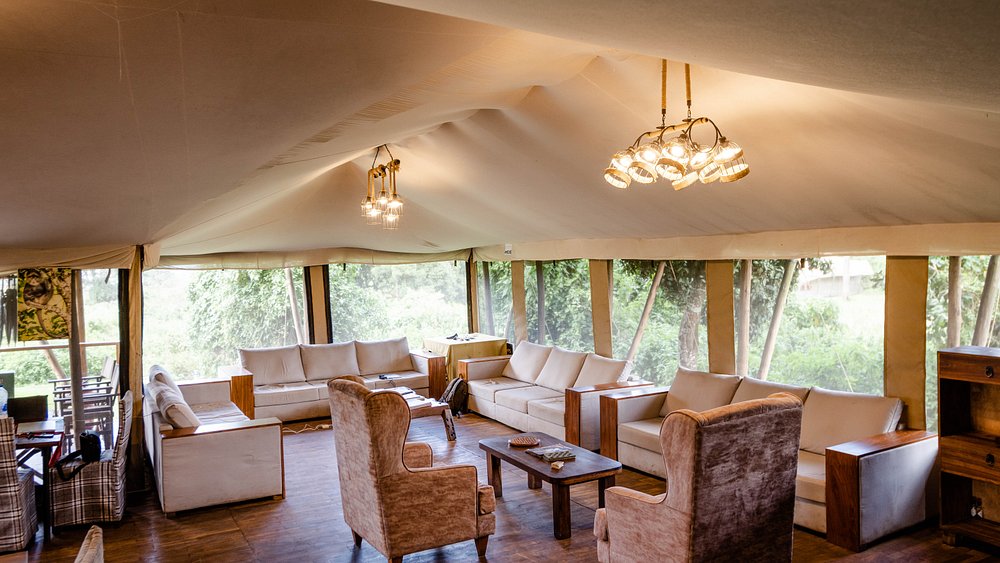
The 4-day Tanzania Northern Circuit safari is the premier “short-circuit” route for travelers seeking the quintessential African wilderness experience in a limited timeframe. This itinerary focuses on the “Big Three”: Tarangire, the Serengeti, and the Ngorongoro Crater.
By utilizing a “Lodge and Tented” format, you experience the best of both worlds: the solid comfort of permanent luxury lodges and the immersive, nocturnal sounds of the African bush in high-end tented camps.
Color Palette: Stick to Khaki, Olive, and Beige. Avoid dark blue or black (attracts Tsetse flies) and bright white (shows dust immediately).
Optics: Binoculars are non-negotiable for spotting distant leopards. An 8×42 magnification is the industry standard.
Sustainability: Tanzania strictly enforces a plastic bag ban. Use reusable dry bags or cotton laundry bags.
Documentation: Passport (6 months validity), E-visa, and Yellow Fever certificate (mandatory if arriving from a transmission zone).
Dinner, Breakfast
Ngorongoro Farm house
Dinner, Breakfast
Serengeti Kati Kati Camp
A sunrise game drive in the Serengeti followed by a transit back toward the Ngorongoro Conservation Area.
Predators are most active at dawn. After a mid-day picnic, you’ll head to the Crater Rim. Optional cultural stops include a visit to a Maasai Boma or the paleoanthropological site at Olduvai Gorge.
Dinner, Breakfast
Ang'ata Ngorongoro Camp
A steep descent into the UNESCO World Heritage caldera for a 5–6 hour “Garden of Eden” experience.
This is your best opportunity to spot the endangered Black Rhino. The enclosed ecosystem hosts over 25,000 large animals.
Ascend the crater and return to Arusha (arrival approx. 5:00 PM – 6:00 PM) for your flight or overnight stay.
Price per person based on group size. All prices in USD
Price per person
PAX
1 PAX
2 PAX
3 PAX
4 PAX
5 PAX
6 PAX
Price
Price per person
PAX
1 PAX
2 PAX
3 PAX
4 PAX
5 PAX
6 PAX
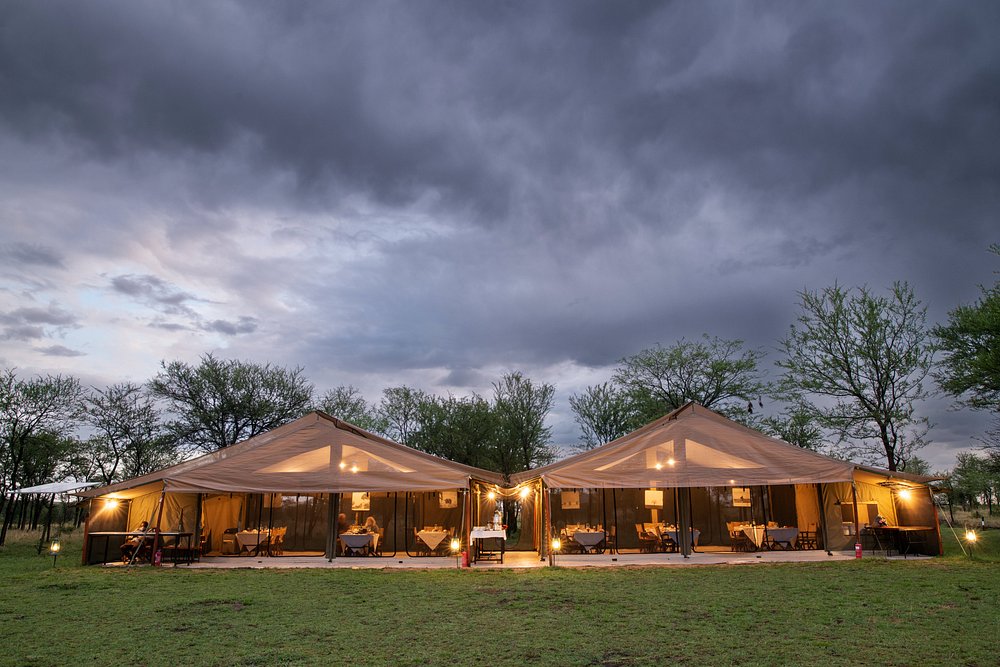
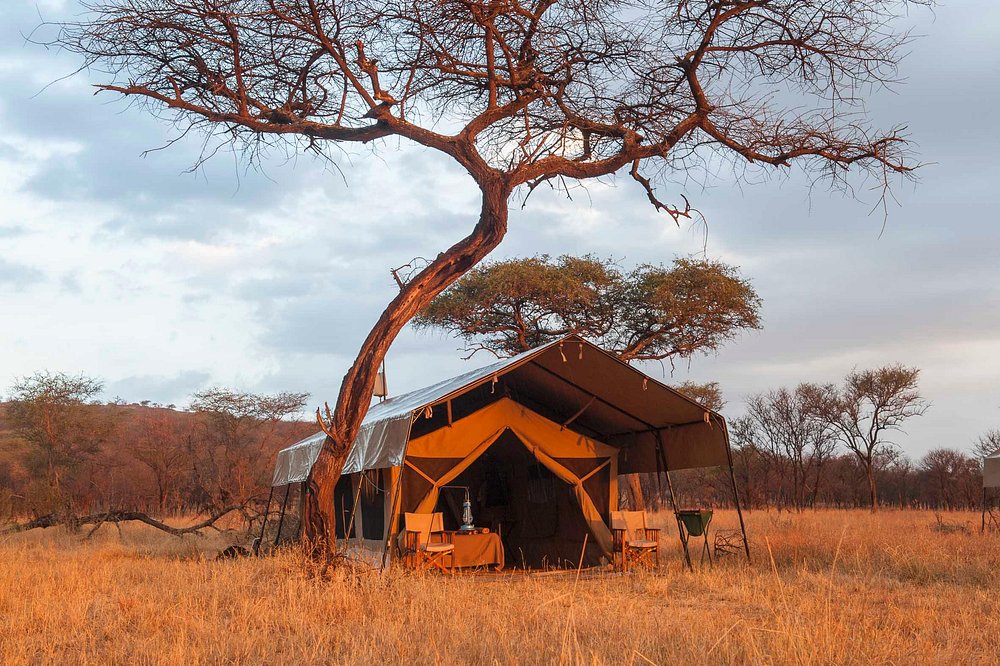
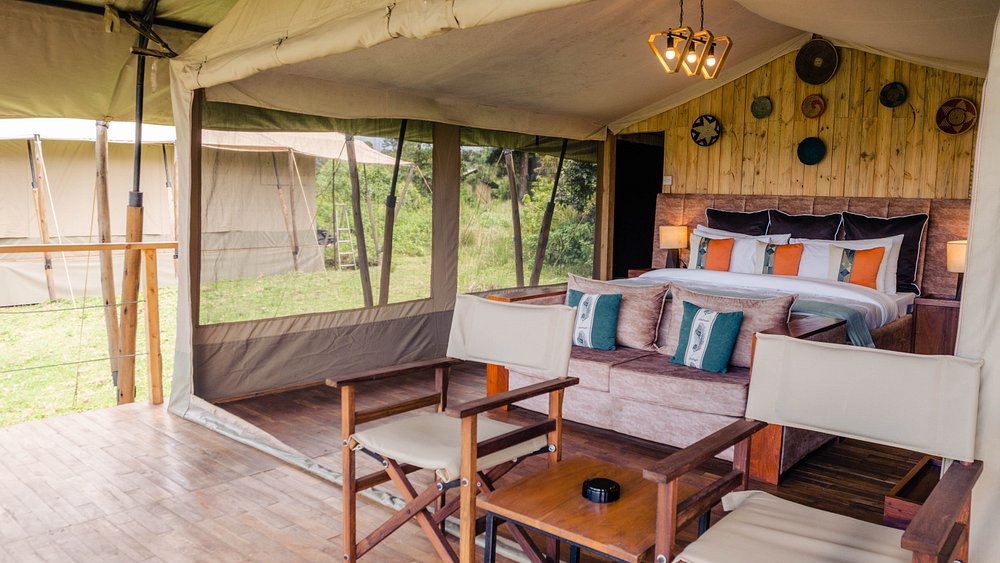
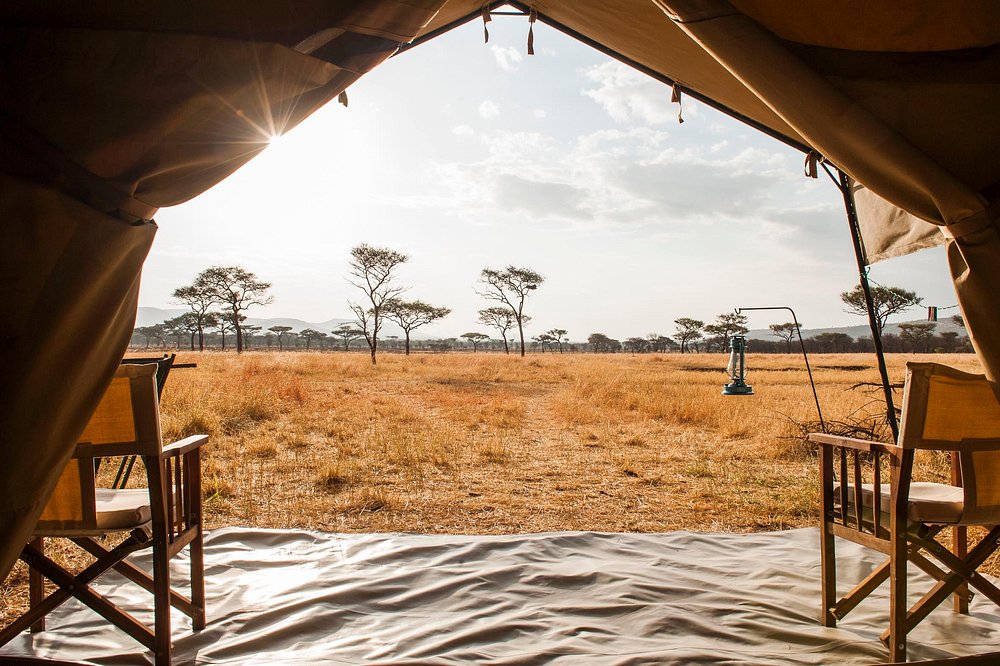
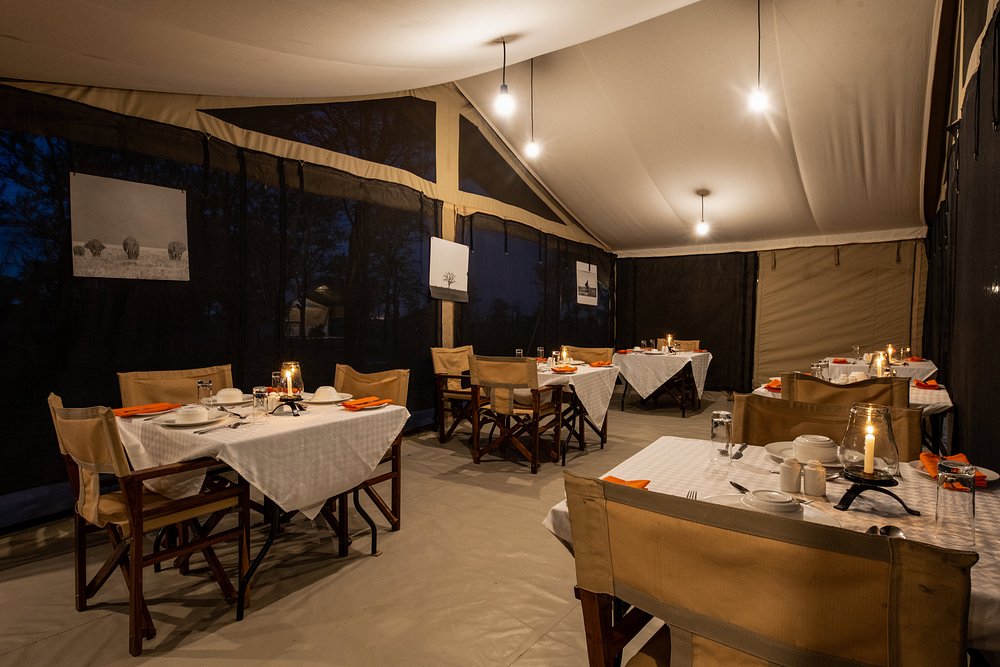
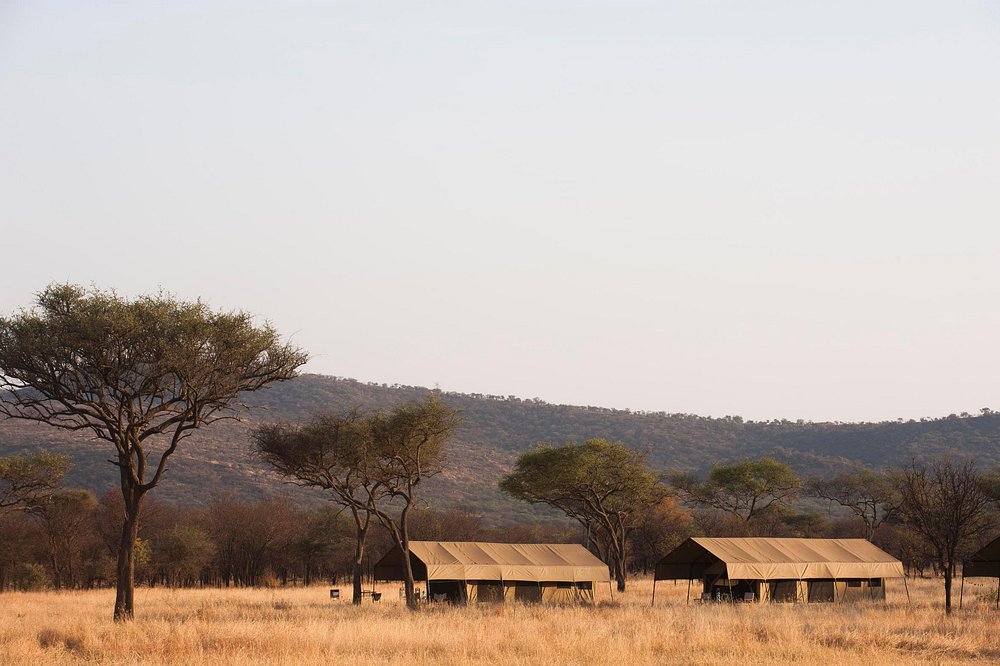
Serengeti Kati Kati Camp is a mobile tented safari camp located in the central Serengeti, designed to provide visitors with an authentic bush camping experience while remaining close to key wildlife areas. The camp’s central location makes it an excellent base for exploring the vast plains and abundant wildlife of Serengeti National Park.
The camp is surrounded by classic Serengeti savannah landscapes filled with acacia trees, grasslands, and wildlife corridors. Guests frequently encounter animals such as zebras, wildebeests, elephants, giraffes, and predators during nearby game drives. Depending on the season, the camp may also offer access to Great Migration viewing areas.
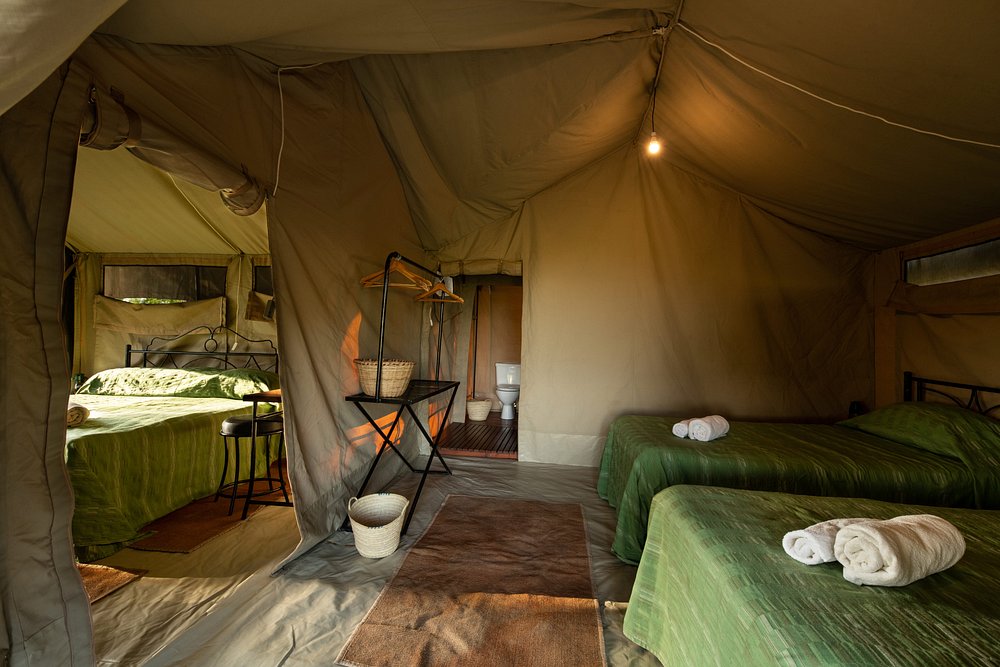
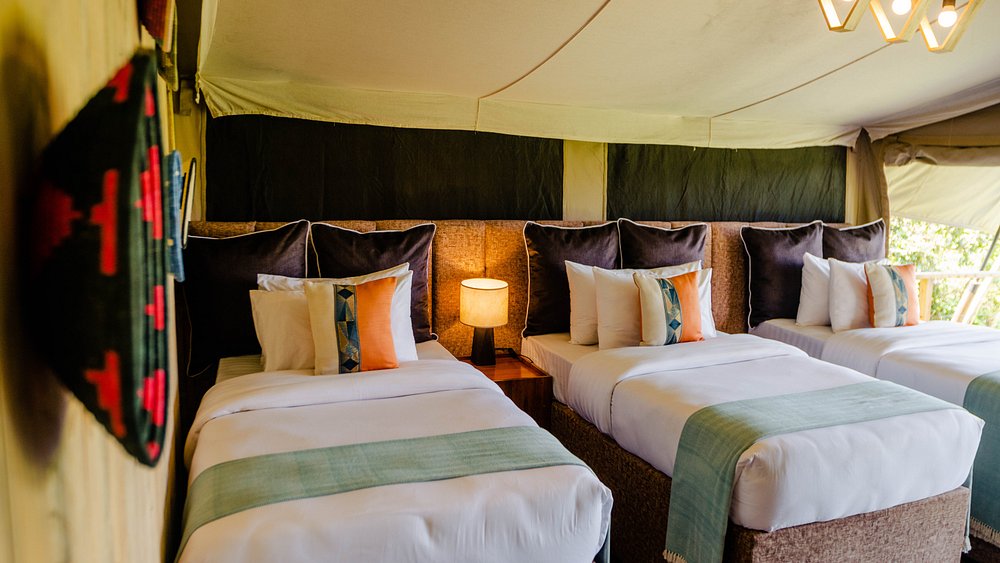
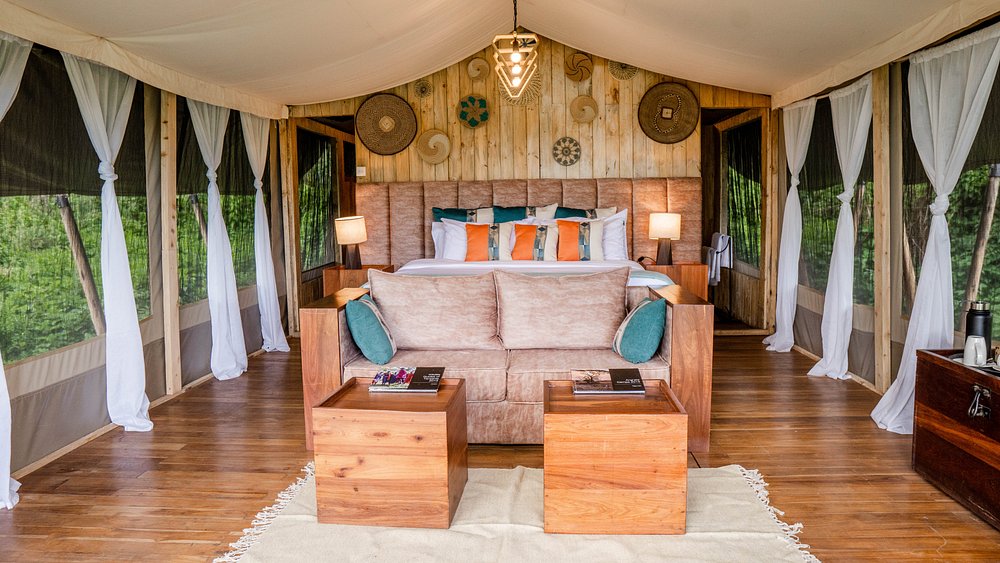
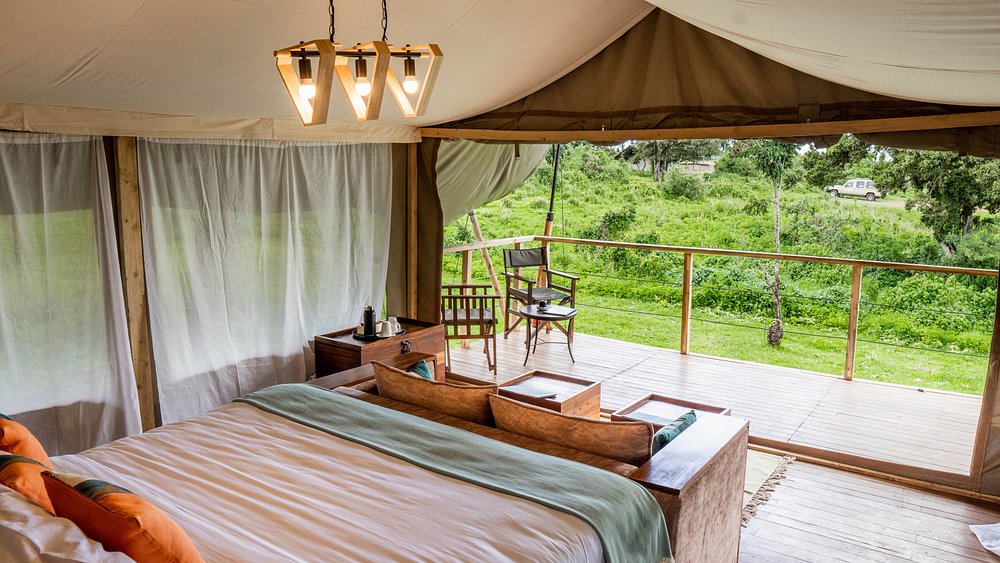
Accommodation at Serengeti Kati Kati Camp consists of comfortable safari tents equipped with beds, private bathrooms, and essential amenities. The camp is designed to maintain a close connection with nature while providing a safe and comfortable safari stay.
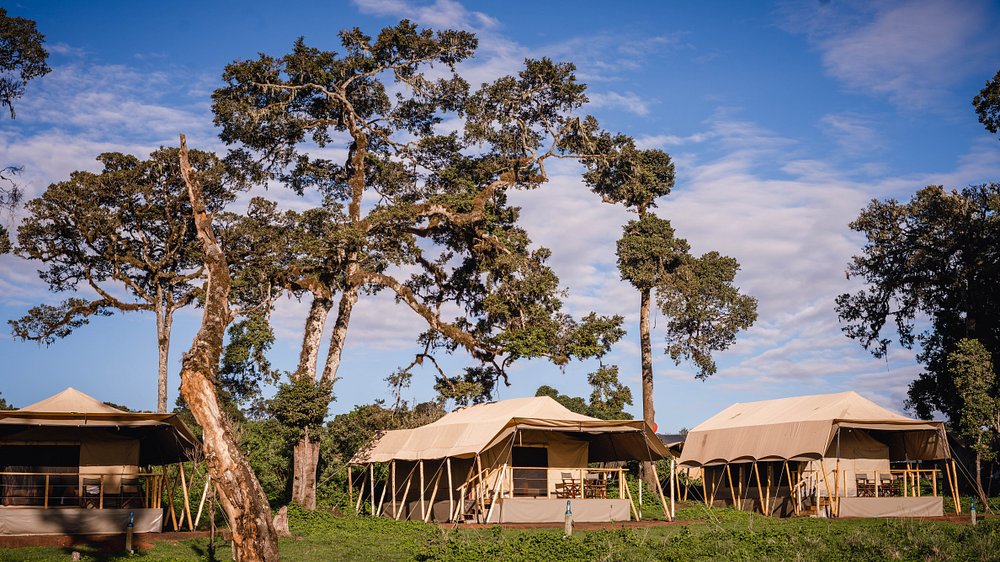
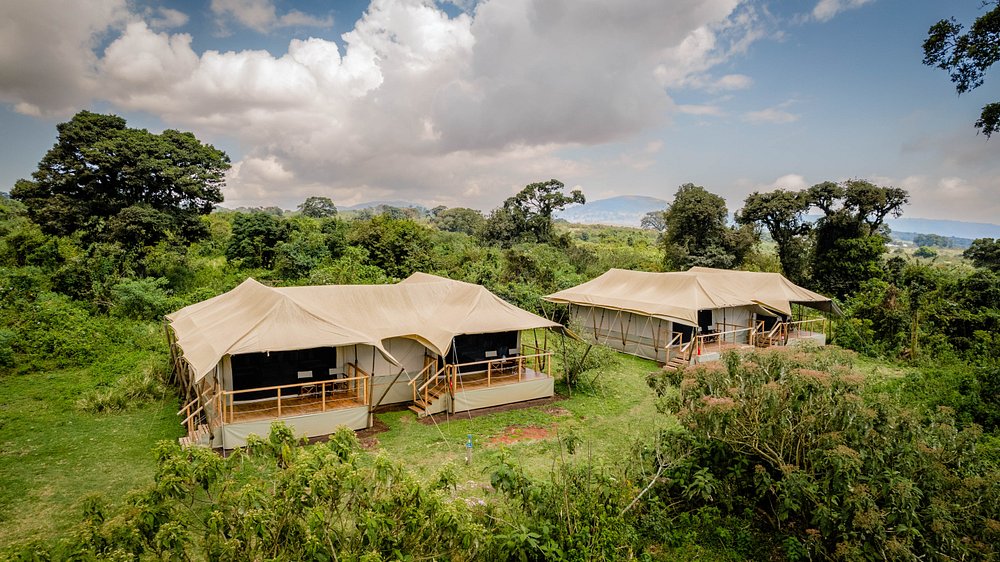
Ang’ata Ngorongoro Camp is a safari camp located near the Ngorongoro Conservation Area, offering travelers convenient access to the famous Ngorongoro Crater and surrounding highland landscapes. The camp provides a comfortable and nature-focused safari experience in one of Tanzania’s most iconic conservation regions.
The camp is set among natural vegetation and highland scenery, creating a peaceful atmosphere for guests exploring northern Tanzania’s safari circuit. Its location allows travelers to reach the Ngorongoro Crater early for game drives, increasing opportunities to spot wildlife such as lions, elephants, rhinos, buffaloes, and flamingos.
Accommodation at Ang’ata Ngorongoro Camp consists of spacious safari tents designed for comfort while maintaining an authentic wilderness feeling. Guests can relax around camp areas, enjoy fresh mountain air, and experience evenings surrounded by the sounds of nature.
There are no results matching your search
Choose the best season for your Mount Kilimanjaro Climbing adventure
Clear & Warm
21–27°C base / -7 to -29°C summit
High
Premium
The warmest months on the mountain, with excellent visibility. Expect generally clear skies in the mornings and evenings; clouds may appear during the day with occasional brief showers.
Clear & Cold
15–20°C base / -10 to -20°C summit
Very High
Premium
The probability of rain is minimal, skies are mostly clear, and the visibility is unparalleled. July and August are the busiest months on the mountain, with crowds thinning in September and even more so in October.
Variable — occasional showers
18–25°C base / -10 to -20°C summit
Low to Moderate
Standard
Early October is still stable, but by November, less stable weather patterns can bring rain every day for a short period. March begins with a short dry window, but by mid-March the long rains begin.
If you are traveling between June and October, the nights in Ngorongoro can drop to 10°C (50°F). Pack a fleece or lightweight down jacket for those early morning descents into the crater.
Four days in the Northern Circuit is a whirlwind of a trip, but because the parks are relatively close to each other, it’s one of the most popular ways to see the “Big Five” without spending a week on the road.
The gateway is Arusha. You should fly into Kilimanjaro International Airport (JRO). Most tours include a pickup from your hotel in Arusha on Day 1 and a drop-off on the evening of Day 4.
Prices vary wildly based on the level of comfort:
The most common mistake is packing too much. Use a soft-sided duffel bag (easier to fit in the jeep).
There is a very high chance. Ngorongoro Crater is the best place to spot the rare Black Rhino. Serengeti is king for Lions and Leopards. Tarangire is famous for its massive Elephant herds and Baobab trees.
Tanzania is one of the safest safari destinations in Africa. You will be in a secure vehicle with an experienced guide. At night, if staying in “tented camps” (which are permanent structures), you are escorted by Maasai guards to ensure animals stay at a distance.
Real experiences from real adventures who’ve explored Tanzania with us


 Verified
 Verified
 Verified
 Verified
 Verified
 Verified
 Verified
 Verified
 Verified
 Verified
Let our travel specialists create a personalized itinerary just for you
There are no results matching your search