Are you looking for a breathtaking high-altitude challenge with fewer crowds than Kilimanjaro? The 4-day Mount Meru climb is Tanzania’s best-kept trekking secret. Located in the heart of Arusha National Park, Mount Meru offers a unique blend of spectacular wildlife, dramatic volcanic scenery, and the perfect acclimatization for those planning to tackle the “Roof of Africa.
A 4-day Mount Meru climb itinerary typically follows the Momella Route, offering a challenging yet scenic ascent to the 4,566m Socialist Peak within Arusha National Park. Key highlights include walking through savannah wildlife, passing through forested ridge lines, viewing the “ash cone,” and experiencing dramatic views of Mt. Kilimanjaro.
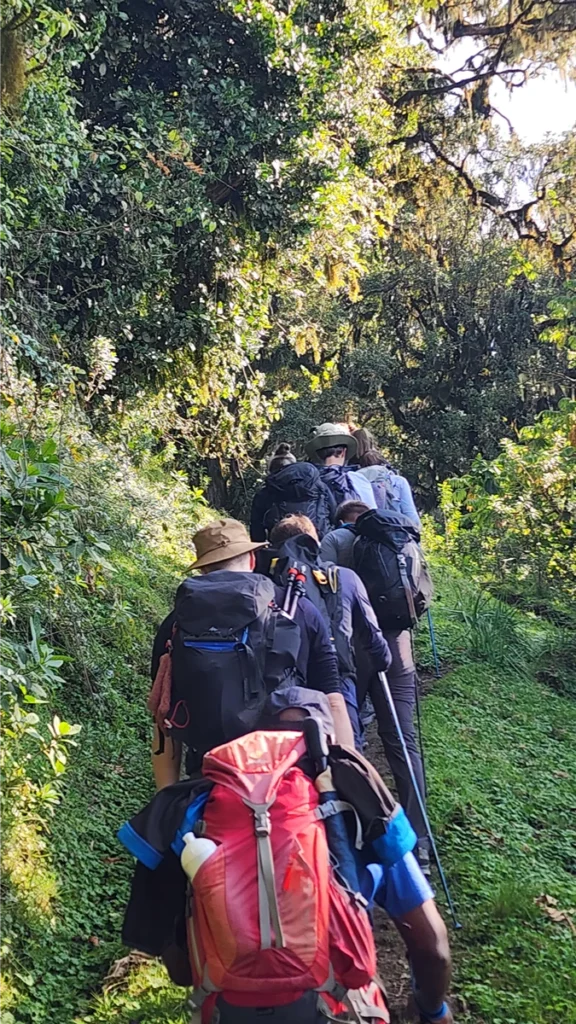
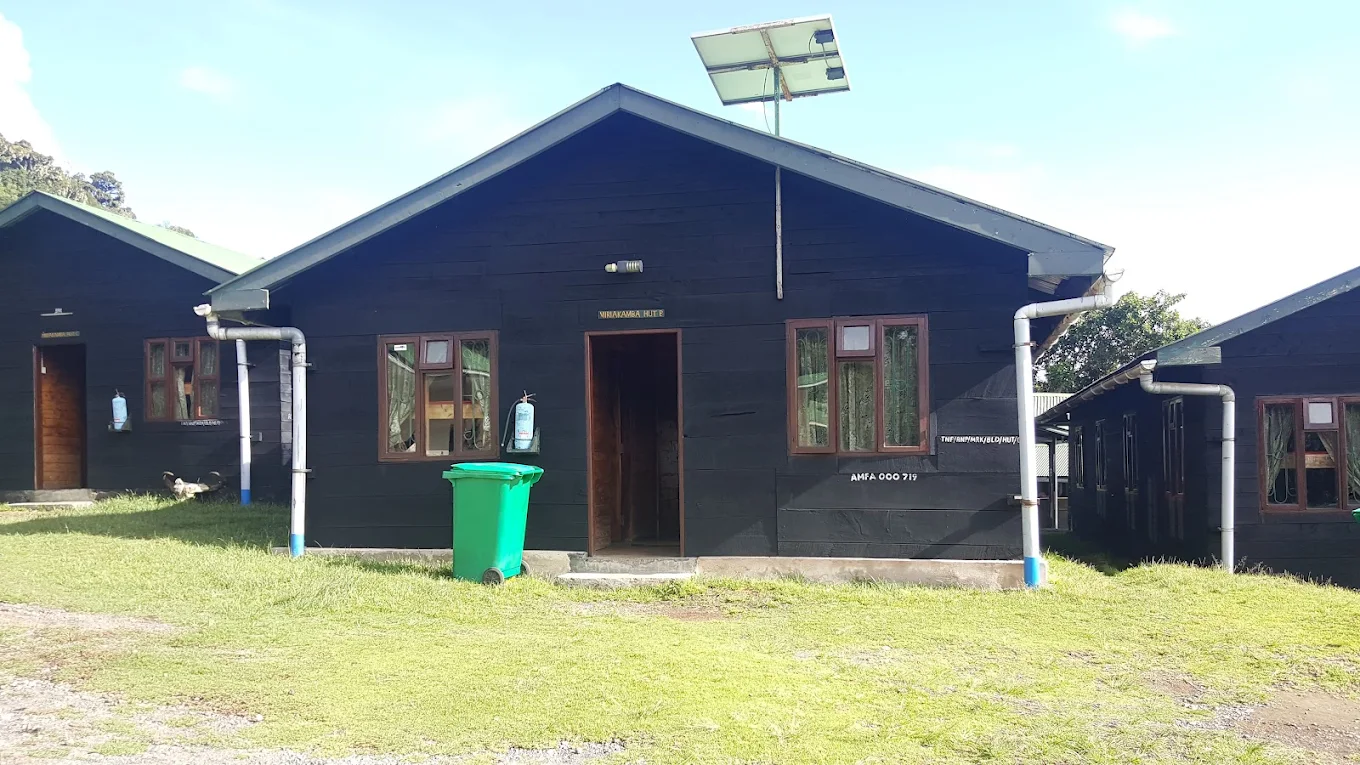
Habitat: Montane Forest Your adventure begins at the Momella Gate. After registration, you’ll trek through open grasslands where you’re likely to see zebras and buffalo. The trail winds through lush rainforest toward Miriakamba Hut, offering your first views of the towering ash cone.
4–5 hours
1,500m to 2,500m
Dinner
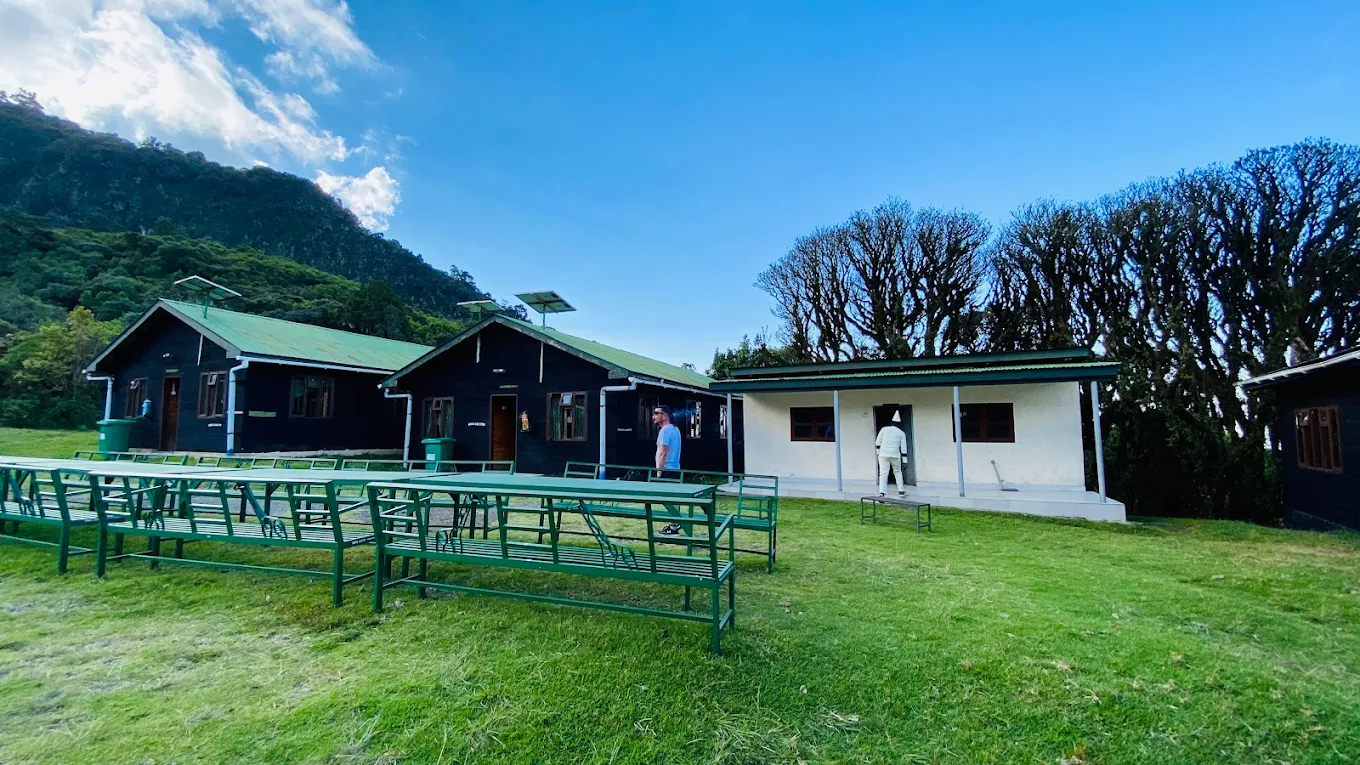
Miriakamba Hut
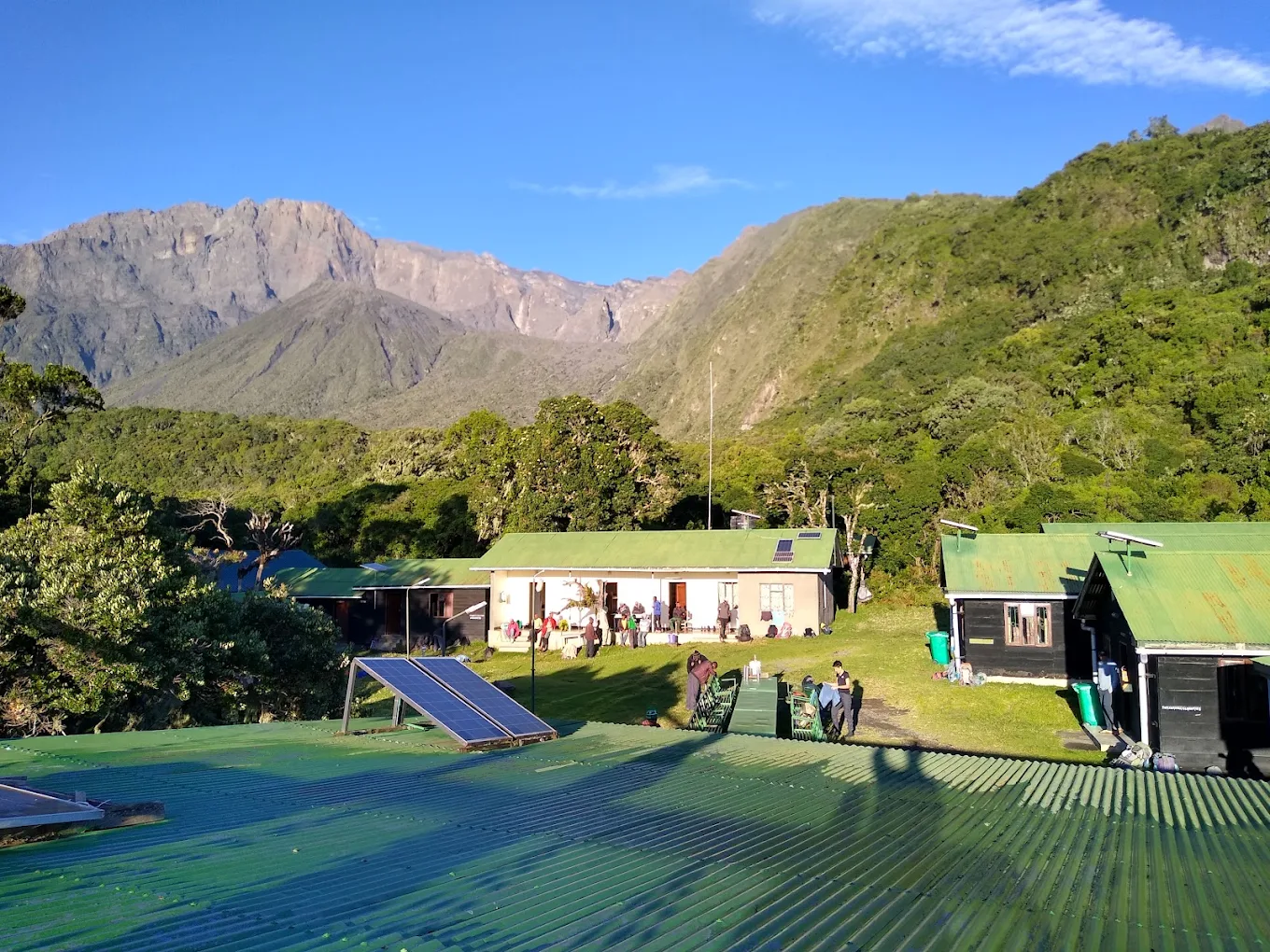
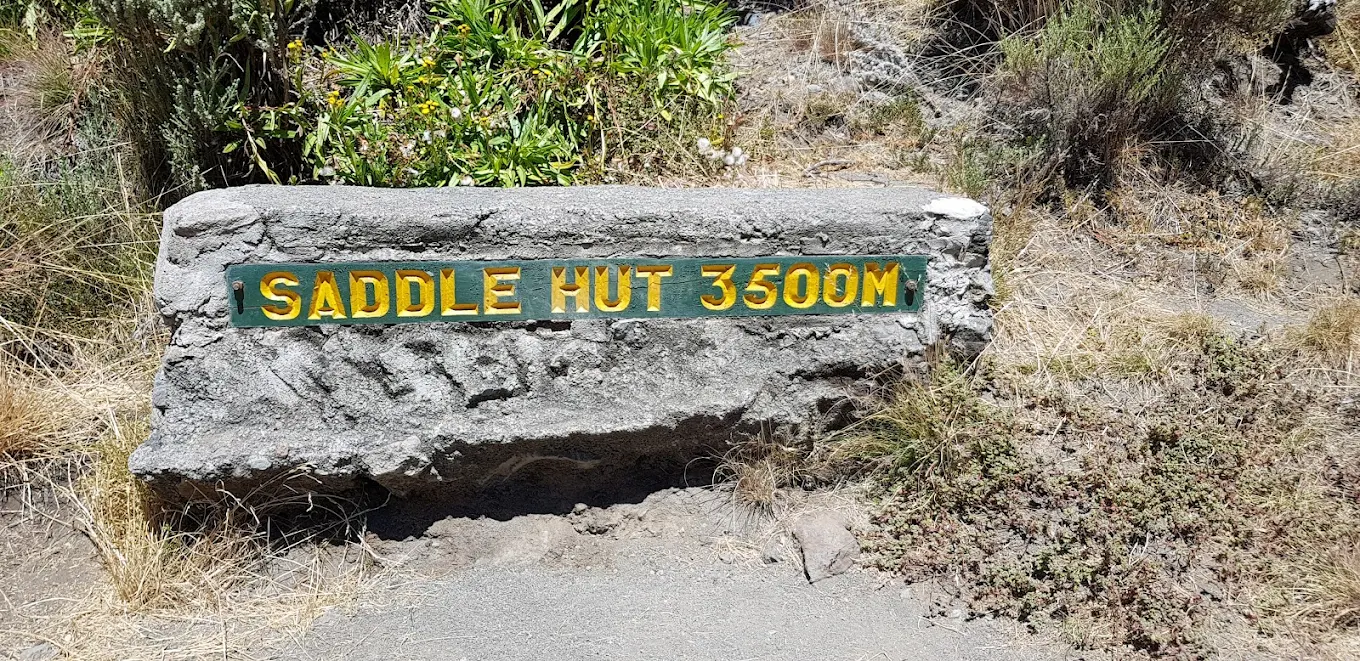
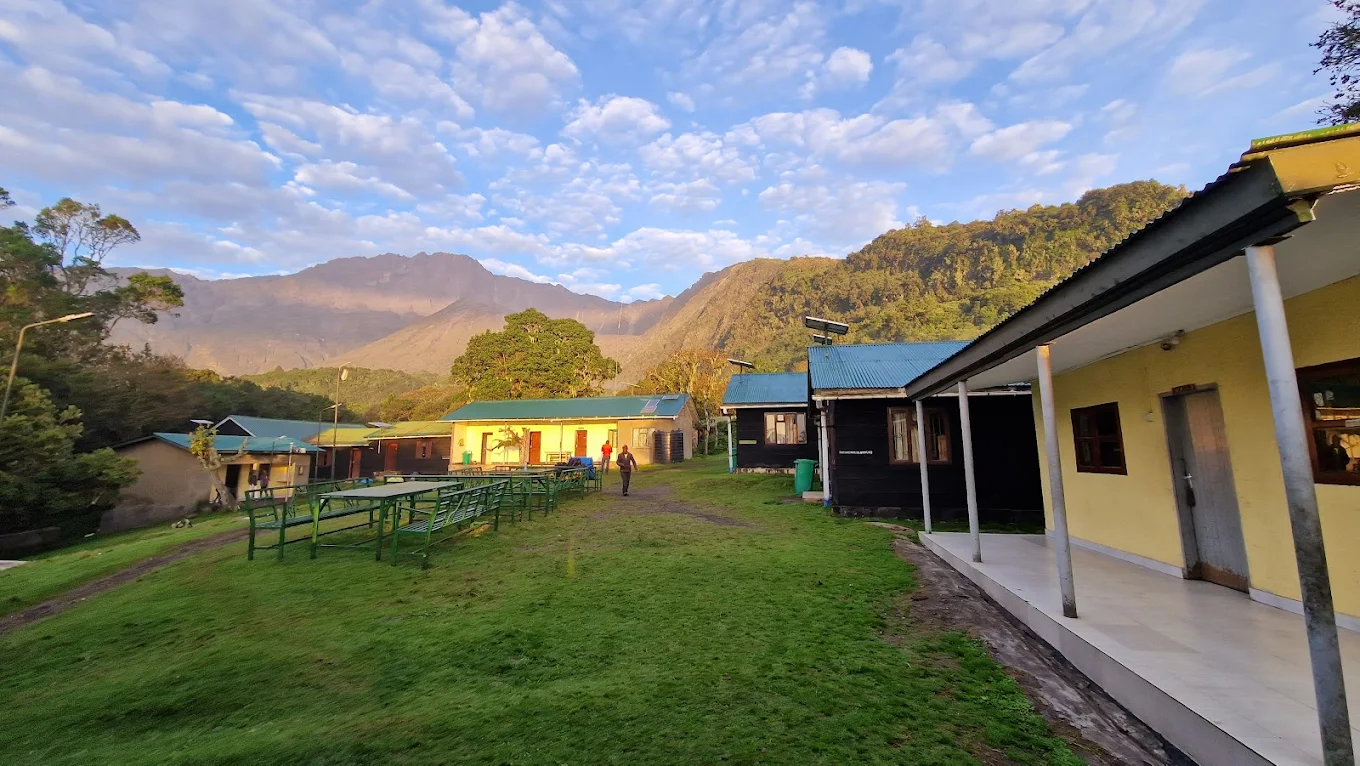
A steeper climb today takes you through the “Elephant Back” ridge. As the forest thins into moorland, the views of Kilimanjaro and the Arusha plains become spectacular. After a hot lunch at Saddle Hut, you can take a short 1-hour acclimatization hike to Little Meru (3,820m) for a stunning sunset.
3–5 hours
2,500m to 3,500m
Moorland
Saddle Hut
The “Big Day” starts at midnight. You’ll climb steeply to Rhino Point and then navigate the narrow, rocky crater rim to reach Socialist Peak (4,562m). Watching the sun rise over Mount Kilimanjaro from the summit is a life-changing moment. After celebrating, you’ll descend back to Saddle Hut for brunch before continuing down to Miriakamba Hut for your final night.
10–12 hours
3,500m to 4,562m (and down to 2,500m)
Alpine Desert
Miriakamba Hut
Enjoy a steady descent through the forest. This is your best chance to spot the rare black-and-white colobus monkeys in the canopy. At the gate, you’ll receive your well-earned climbing certificates before being transferred back to Arusha or Moshi.
2–3 hours
2,500m to 1,500m
Montane Forest
Price per person based on group size. All prices in USD
Price per person
PAX
1 PAX
2 PAX
3 PAX
4 PAX
5 PAX
6 PAX
Price
Price per person
PAX
1 PAX
2 PAX
3 PAX
4 PAX
5 PAX
6 PAX
There are no results matching your search
Everything you need to know about what makes this route special
The dry seasons (June–October and December–February) offer the clearest views of the crater and Kilimanjaro.
Moderate. It is less physically taxing than Kilimanjaro but includes a technical "scramble" on the summit ridge.
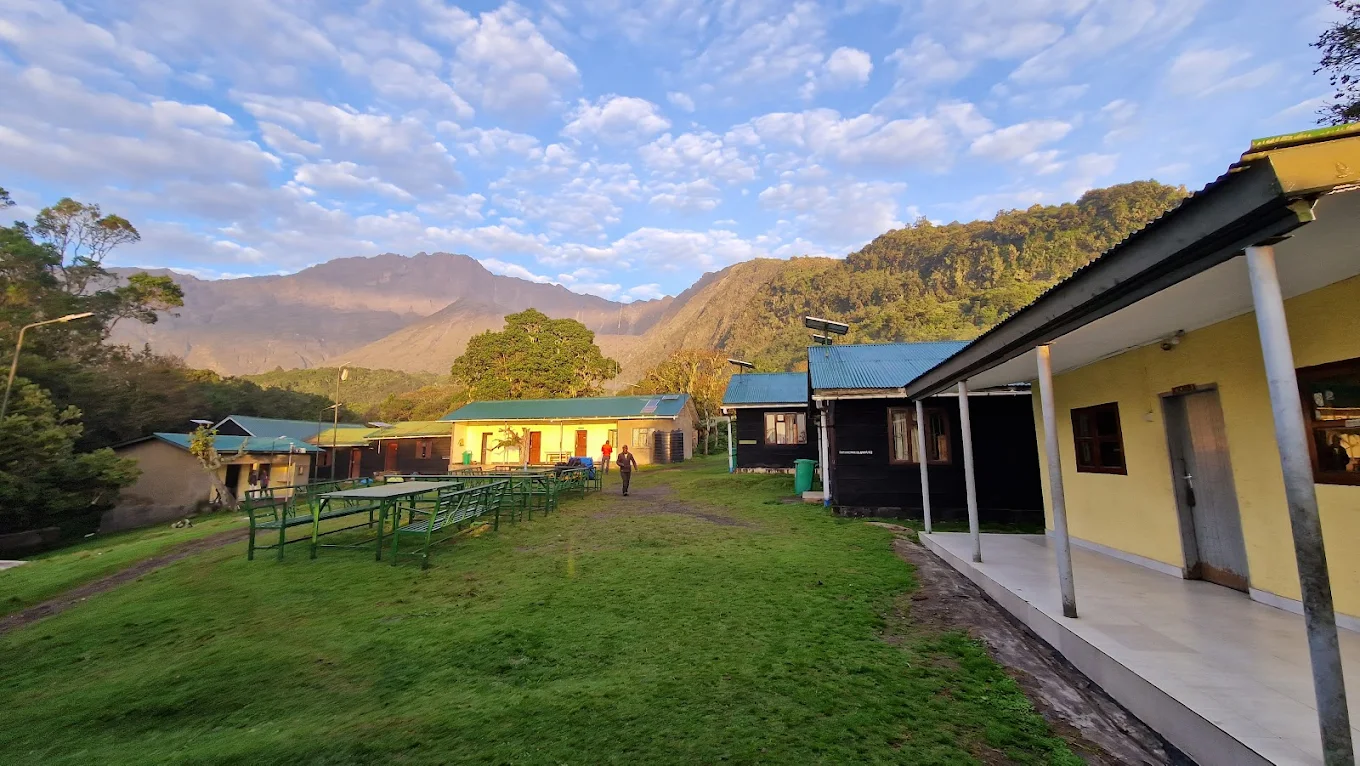
You will stay in professional mountain huts (dormitory style), which are more comfortable and warmer than tents.
Choose the best season for your Mount Kilimanjaro Climbing adventure
Clear & Warm
21–27°C base / -7 to -29°C summit
High
Premium
The warmest months on the mountain, with excellent visibility. Expect generally clear skies in the mornings and evenings; clouds may appear during the day with occasional brief showers.
Clear & Cold
15–20°C base / -10 to -20°C summit
Very High
Premium
The probability of rain is minimal, skies are mostly clear, and the visibility is unparalleled. July and August are the busiest months on the mountain, with crowds thinning in September and even more so in October.
Variable — occasional showers
18–25°C base / -10 to -20°C summit
Low to Moderate
Standard
Early October is still stable, but by November, less stable weather patterns can bring rain every day for a short period. March begins with a short dry window, but by mid-March the long rains begin.
No. Unlike Kilimanjaro, Mount Meru has only one official route: the Momella Route. It begins and ends at the Momella Gate.
Yes. Because Mount Meru is located inside Arusha National Park, the lower slopes are home to large wildlife like buffalo and elephants. An armed park ranger is mandatory for all groups to ensure safety during the forest sections.
The final push from Rhino Point to the summit involves walking along a narrow, rocky crater rim. While not “technical” climbing, it requires a good head for heights and some light scrambling over rocks.
Layers: Breathable base layers, a warm fleece, and a heavy down jacket for the summit.
Footwear: Broken-in waterproof hiking boots are essential.
Sleeping: A 4-season sleeping bag (rated to at least -10^C.
Water: At least 3 liters of carrying capacity. Plastic “disposable” bottles are strictly prohibited in the park; use Nalgene or hydration bladders.
You stay in large, well-maintained wooden huts (Miriakamba and Saddle). You do not need to bring a tent, but you will share dormitory-style bunk rooms with other climbers.
The dry seasons are best: June to October and December to February. January and February offer the clearest views of Mount Kilimanjaro from the summit.
For a 4-day climb, expect to pay approximately $350–$400 in park fees alone (including conservation, hut, rescue, and ranger fees). Total tour prices usually range from $789 to $1,500 depending on group size and service level.
Tipping is a standard practice in Tanzanian trekking culture. For a 4-day climb, a total budget of $150–$200 USD per climber is generally expected to be shared among the guides, chef, and porters.
Real experiences from real adventures who’ve explored Tanzania with us


 Verified
 Verified
 Verified
 Verified
 Verified
 Verified
 Verified
 Verified
 Verified
 Verified
Let our travel specialists create a personalized itinerary just for you
There are no results matching your search