By Samson lauwo
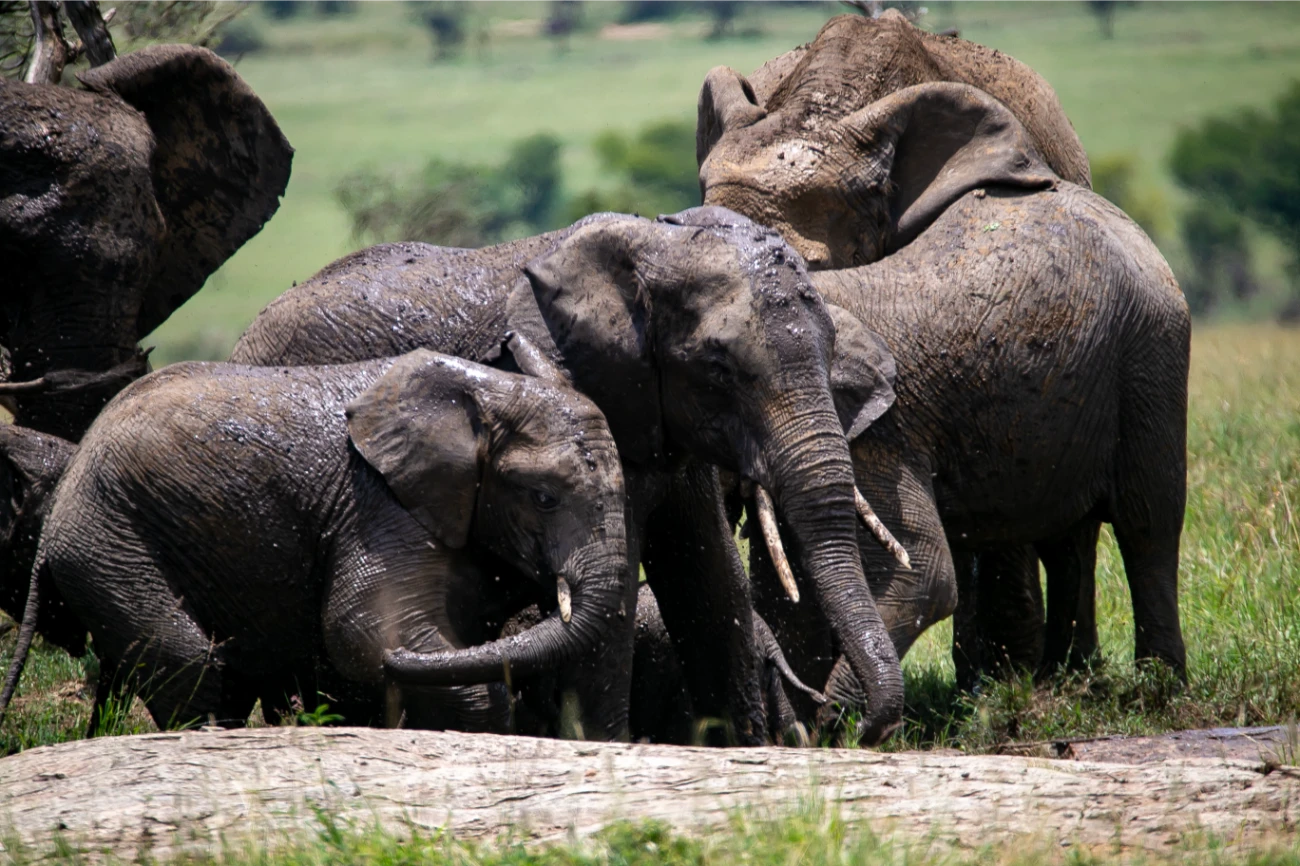
Tarangire National Park, a hidden gem in Tanzania’s safari circuit, offers an unparalleled wildlife experience, particularly for elephant lovers. This comprehensive guide covers everything you need to know to plan your Tarangire adventure.
Located in the Manyara Region of Tanzania, Tarangire is easily accessible from Arusha, a major safari hub. The drive from Arusha to Tarangire is relatively short and manageable, making it a great addition to any Tanzanian safari itinerary.
Tarangire National Park, a jewel in Tanzania’s safari circuit, boasts a history as rich and captivating as its wildlife. From its early days as a game reserve to its current status as a world-renowned national park, Tarangire’s story is one of conservation and natural wonder.
In the early 20th century, during the British colonial era, the area now known as Tarangire was incorporated into the Maasai Steppe Game Reserve. This initial step aimed to protect the region’s diverse wildlife.
Tarangire’s journey towards greater protection began in 1951 when it was officially designated a wildlife reserve. This designation acknowledged the area’s ecological importance. In 1970, Tarangire achieved national park status, a significant upgrade that solidified its protection and recognized its crucial role in Tanzanian conservation efforts.
The name “Tarangire” is derived from the life-giving Tarangire River, which meanders through the park. This river serves as a vital water source, particularly during the dry season, sustaining the park’s incredible array of wildlife.
The origin of the name itself is subject to a few interpretations. One theory suggests it stems from the Maasai phrase “tara ngare,” meaning “spotted water,” a reference to the river’s perennial flow. Another possibility points to a Wambugwe origin, where it translates to “meandering.” A third theory proposes a combination of local languages, suggesting a meaning of “river of warthogs.”
Elephant Paradise: Tarangire is world-renowned for its impressive elephant population. It’s arguably one of the best places in Tanzania to witness these magnificent creatures, especially during the dry season when they congregate along the Tarangire River. The park often sees large herds, offering unparalleled photographic opportunities.
Iconic Baobab Trees: The landscape of Tarangire is punctuated by ancient, majestic baobab trees. These “trees of life,” also known as “upside-down trees,” add a unique and breathtaking dimension to the park’s scenery.
Biodiversity Hotspot: Tarangire is a haven for biodiversity. The park supports a wide range of wildlife, including lions, leopards, cheetahs, zebras, giraffes, wildebeest, and a plethora of bird species. The varied habitats, from acacia woodlands to grasslands and swamps, contribute to this rich ecosystem.
A Birdwatcher’s Delight: With over 550 recorded bird species, Tarangire is a paradise for bird enthusiasts. From vibrant starlings to majestic raptors, the park offers exceptional birdwatching opportunities.
Tarangire National Park plays a vital role in wildlife conservation in Tanzania. Park management prioritizes the protection of endangered species, habitat preservation, and the promotion of sustainable tourism practices. These efforts ensure that Tarangire’s natural wonders are preserved for future generations.
Today, Tarangire is a sought-after safari destination, attracting visitors from across the globe. It offers a more intimate and less crowded safari experience compared to some of Tanzania’s more famous parks, allowing for a deeper connection with nature. Whether you’re witnessing a herd of elephants crossing the river or marveling at the grandeur of a baobab tree, a visit to Tarangire is sure to create lasting memories.
Tarangire National Park’s history exemplifies Tanzania’s commitment to wildlife conservation. It’s a place where you can witness the magic of the African wilderness and contribute to its preservation.
Tarangire offers a wide range of accommodation options to suit every budget and preference. From luxurious lodges with stunning views to comfortable tented camps and more budget-friendly options, you’ll find the perfect place to stay. Booking in advance is highly recommended, especially during the peak season.
When planning your Tarangire safari, consider combining it with other nearby parks like Lake Manyara National Park and the Ngorongoro Crater for a truly diverse Tanzanian safari experience. Work with a reputable tour operator who can help you create a customized itinerary that meets your needs and budget.
Tarangire National Park is a must-visit destination for any wildlife enthusiast. Its impressive elephant herds, diverse fauna, stunning landscapes, and range of activities make it a truly unforgettable safari experience
Absolutely! Tarangire National Park is a hidden gem in Tanzania, and it’s definitely worth a visit. Here’s a breakdown of why it deserves a spot on your safari itinerary, optimized for search engines:
Tarangire National Park, nestled in the heart of Tanzania, offers a unique and unforgettable safari experience. While it might not be as widely known as the Serengeti or Ngorongoro Crater, Tarangire boasts incredible wildlife viewing, stunning landscapes, and a more intimate atmosphere.
⦁ Best Time to Visit: The dry season (June to October) is ideal for wildlife viewing, while the wet season (November to May) is excellent for birdwatching and lush landscapes.
⦁ How to Get There: Tarangire is easily accessible by road from Arusha. You can also fly to nearby airstrips.
⦁ Where to Stay: Tarangire offers a range of accommodation options, from luxury lodges to budget-friendly campsites.
⦁ Combine with Other Parks: Consider combining your Tarangire safari with visits to other northern circuit parks like the Serengeti National Park, Ngorongoro Crater, and Lake Manyara National Park.
Tarangire National Park is a must-visit destination for anyone seeking an authentic and unforgettable African safari experience. With its incredible elephant herds, stunning scenery, and abundant wildlife, Tarangire Park will leave you with memories to last a lifetime.
Discover the Magic of Tarangire National Park: Tanzania’s Elephant Paradise
Tarangire National Park, a hidden gem in Tanzania, offers an unparalleled safari experience, distinct from the more crowded parks in the country. Here’s what makes Tarangire so special:
Tarangire is a year-round destination, but the best time to visit is during the dry season (June to October) when animals congregate around the Tarangire River.
Book your safari and accommodation in advance, especially if traveling during peak season.
Pack light clothing in neutral colors, comfortable walking shoes, a hat, sunscreen, and insect repellent.
Bring a good camera with a zoom lens to capture the incredible wildlife sightings.
Respect the wildlife and follow your guide’s instructions to ensure a safe and enjoyable safari experience.
Tarangire National Park is a must-visit for any safari enthusiast. It offers a unique and unforgettable experience, with its stunning scenery, abundant wildlife, and authentic atmosphere.
Tarangire National Park: A Wildlife Paradise in Tanzania
Tarangire National Park, a hidden gem in Tanzania’s safari circuit, offers an unforgettable wildlife experience. With its diverse landscapes and abundant fauna, Tarangire has something to offer every nature enthusiast. Here’s a guide to the park’s major attractions, optimized for search engines to help you plan your dream safari:
1. Majestic Elephant Herds: A Gentle Giant Gathering
Tarangire is renowned for its impressive elephant population, boasting one of the highest concentrations in Tanzania. During the dry season (June to October), herds of up to 300 elephants congregate near the Tarangire River, creating a truly awe-inspiring spectacle. Witness these gentle giants as they bathe, drink, and interact in their natural habitat.
2. Iconic Baobab Trees: The “Tree of Life”
Dominating the Tarangire landscape are the iconic baobab trees, also known as the “Tree of Life.” These ancient trees, with their distinctive swollen trunks and sprawling branches, can live for over a thousand years. They provide shelter and sustenance for various animals, adding to the park’s unique charm.
3. Tarangire River: The Lifeline of the Park
The Tarangire River, the park’s namesake and primary water source, attracts a diverse array of wildlife. Elephants, lions, zebras, buffaloes, and other animals gather along its banks, making it a prime location for game viewing and photography. The riverine habitat also supports a rich variety of bird species.
4. Diverse Wildlife: A Haven for Animal Lovers
Tarangire is home to a wide range of animals, including giraffes, wildebeest, zebras, impalas, and various predators. Keep an eye out for lions, leopards, and even wild dogs. The park also provides refuge for endangered species like the fringe-eared oryx and the greater kudu, making it a crucial conservation area.
5. Birdwatcher’s Paradise: A Symphony of Colors
With over 550 bird species, Tarangire is a haven for birdwatchers. The park’s diverse habitats, from swamps to woodlands, support a wide array of avian species. Spot colorful lovebirds, majestic eagles, and various migratory birds. Don’t forget your binoculars!
6. Lemiyon Triangle: A Pristine Wilderness
Venture into the remote Lemiyon Triangle in the northern part of the park for a truly unique experience. This pristine area boasts stunning scenery, including vast open plains, rocky outcrops, and, of course, the iconic baobab trees. It’s also a great place to spot large flocks of red-billed quelea birds and various raptors.
Tarangire National Park offers an unforgettable safari experience, with its diverse wildlife, stunning landscapes, and unique attractions. Whether you’re a seasoned safari-goer or a first-time visitor, Tarangire will leave you with memories to cherish for a lifetime.
The cost of a Tarangire National Park safari can vary wildly depending on your choices. Here’s a breakdown of the factors influencing price and some typical budget ranges to give you an idea:
Accommodation: This is a major one! Options range from budget-friendly camping to ultra-luxurious lodges, each with a significant price difference.
Activities: Game drives are the core activity, but some lodges offer extras like walking safaris or night drives, which may cost extra.
Duration: Naturally, the longer you stay, the more you’ll spend.
Travel Style: Whether you’re a budget backpacker, a mid-range traveler, or seeking a luxury experience will greatly impact your overall cost.
Budget Camping Safari: $150 – $250
This usually involves basic camping facilities and shared amenities.
Mid-range Lodge/Camping Safari: $300 – $500
Offers more comfortable accommodations and potentially some extra activities.
Luxury Lodge Stay: $500 – $800+
Expect top-notch amenities, gourmet meals, and personalized service.
Visa Fees: If applicable, check the visa requirements for Tanzania.
Tips: It’s customary to tip guides, drivers, and other staff.
Ultimately, the cost of your Tarangire safari depends on your individual preferences and budget.
The best time to visit Tarangire National Park for optimal wildlife viewing is during the dry season, which runs from June to October.
Concentrated Wildlife: During the dry season, water sources become scarce, forcing animals to congregate around the Tarangire River and other remaining waterholes. This makes it easier to spot large herds of elephants, zebras, giraffes, and other wildlife.
Thinner Vegetation: The dry season leads to thinner vegetation, improving visibility and making it easier to spot animals even at a distance.
Less Rainfall: You’ll experience minimal rainfall during this period, ensuring uninterrupted game drives and outdoor activities.
Peak Season: June to October is also the peak tourist season, so expect higher prices for accommodation and safaris.
Shoulder Seasons: If you prefer fewer crowds and slightly lower prices, consider visiting during the shoulder seasons (November to March), but be prepared for occasional showers.
Birdwatching: The wet season (November to May) is excellent for birdwatching, as migratory birds arrive in the park.
Ultimately, the best time to visit Tarangire depends on your priorities and preferences. If your primary goal is to witness large concentrations of wildlife, particularly elephants, then the dry season (June to October) is the ideal time to plan your trip.
Tarangire National Park is located in northern Tanzania, in the Manyara Region. It’s a popular safari destination, known for its large elephant herds, baobab trees, and diverse wildlife. The park is easily accessible by road from Arusha, and it’s often combined with other parks in the northern safari circuit, such as Serengeti and Ngorongoro Crater.
Here are some additional details about Tarangire National Park:
Size: 2,850 square kilometers (1,100 sq mi)
Established: 1970
Best time to visit: Dry season (June to October)
Highlights: Large elephant herds, baobab trees, diverse wildlife, birdwatching
How to get to Tarangire National Park:
By road: The park is about 120 kilometers (75 miles) southwest of Arusha. The drive takes about 2-3 hours.
By air: The nearest airport is Kilimanjaro International Airport (JRO), which is about 46 kilometers (29 miles) from Arusha. From Arusha, you can take a domestic flight to a nearby airstrip, such as Kuro Airstrip or Tarangire Airstrip.
Tarangire national park animals
Tarangire National Park: A Wildlife Haven in Tanzania
Tarangire National Park, nestled in the Manyara Region of Tanzania, is a wildlife enthusiast’s dream. This park is renowned for its incredible biodiversity, particularly its large elephant herds and the impressive mini-migration that occurs during the dry season. Let’s delve into the captivating wildlife that calls Tarangire home:
Elephants: Giants of Tarangire
Tarangire boasts one of the highest concentrations of elephants in Africa. During the dry season, herds often exceeding 300 individuals gather along the Tarangire River, creating a truly awe-inspiring spectacle. These gentle giants roam the park, leaving a lasting impression on all who witness their majesty.
The Mini-Migration: A Wildlife Spectacle
From June to November, Tarangire becomes a stage for a remarkable wildlife migration. Thousands of wildebeest and zebras, seeking water sources, journey to Tarangire, creating a scene reminiscent of the Great Migration in the Serengeti. This movement of animals adds to the park’s vibrant atmosphere and offers incredible wildlife viewing opportunities.
Herbivores: A Diverse Gathering
Tarangire provides a habitat for a wide array of herbivores. Alongside the elephants, you’ll find giraffes gracefully reaching for acacia leaves, buffaloes grazing in the open plains, and various antelope species such as impalas, elands, and waterbucks. These animals contribute to the park’s rich ecosystem and provide sustenance for the predators that lurk nearby.
Predators: On the Hunt
Tarangire is home to a variety of predators, each playing a crucial role in the park’s delicate balance. Lions, the kings of the jungle, roam the grasslands, while leopards stealthily stalk their prey. Cheetahs, known for their incredible speed, chase down their targets, and hyenas and wild dogs complete the carnivore guild. These predators add an element of thrill and excitement to any safari experience.
Birds: A Paradise for Birdwatchers
With over 550 bird species, Tarangire is a haven for birdwatchers. From the iconic ostrich to the vibrant yellow-collared lovebird, the park’s avian diversity is astounding. Raptors soar overhead, while colorful songbirds flit through the trees, providing a symphony of sights and sounds for bird enthusiasts.
Unique Landscape: Baobabs and Termite Mounds
Tarangire’s landscape is as unique as its wildlife. The park is dotted with majestic baobab trees, also known as the “Tree of Life,” which can live for over 1,000 years. These iconic trees provide shelter and food for various animals. Additionally, the park is characterized by numerous termite mounds, which add an interesting dimension to the scenery and serve as homes for dwarf mongooses.
An Unforgettable Adventure
Tarangire National Park offers an unforgettable safari experience. Whether you’re an avid wildlife enthusiast, a birdwatcher, or simply a nature lover, this Tanzanian gem promises an adventure filled with incredible sights and sounds. The combination of abundant wildlife, stunning landscapes, and a unique atmosphere makes Tarangire a must-visit destination for anyone seeking an authentic African safari.
Easy drive from Arusha or Lake Manyara following a surfaced road to within 7km (four miles) of the main entrance gate; can continue to Ngorongoro Crater and the Serengeti. Charter flights from Arusha and the Serengeti.
Two lodges, one tented lodge, two luxury tented camps inside the park, another half-dozen exclusive lodges and tented camps immediately outside its borders. Several camp sites in and around the park.
? Questions About Tarangire National Park
When you have finished your Tarangire National Park and are going to continue your stay in Tanzania, Kilimanjaro Bound will be there to organise everything that you need for the next stage of your African Adventure.
Whether that is Climbing Mount Kilimanjaro, taking another Safari, experiencing a fantastic beach holiday on the island of Zanzibar or a Tanzania Short Tour.
Whatever you choose, Kilimanjaro Bound will take great care of you whilst you enjoy the beauty of our wonderful country.
? Questions About Tarangire National Park
Hello, I am Samson, Kilimanjaro Treking Specialist and founder of Kilimanjaro Bound. I have summited mount kilimanjaro 1000 times. l
There are no results matching your search
The best time to climb Kilimanjaro is during the dry seasons: January–March (warmer, slightly quieter) and June–October (coolest, busiest, best weather). These months offer the highest success rates, clear skies, and better views.
Climbing Mount Kilimanjaro is a journey through five distinct ecological zones—from tropical rainforests to arctic summits. To reach Uhuru Peak (5,895m) safely, your gear must be professional, lightweight, and based on a high-performance layering system.
Summiting Kilimanjaro doesn't require an elite athlete — but it does demand preparation.
Summiting Kilimanjaro doesn't require an elite athlete — but it does demand preparation.
Summiting Kilimanjaro doesn't require an elite athlete — but it does demand preparation.
More stories, guides and travel inspiration await